If you’re craving something bold, saucy, and absolutely bursting with flavor, you’re in for a treat with this Vegan Kung Pao Pasta with Mushrooms Recipe. It’s the perfect fusion dish that brings together the spicy, numbing magic of Kung Pao sauce with your favorite pasta and umami-rich mushrooms. The first time I made it, I was hooked—not only because it tastes incredible but also because it’s surprisingly easy and quick to whip up on a busy weeknight. Stick around—I’ll walk you through every step so your Kung Pao Pasta turns out just like mine (or better!).
Why You’ll Love This Recipe
- Incredible Flavor Fusion: Combines spicy Sichuan flavors with comforting pasta for a deliciously unique meal.
- Quick and Easy: Ready in about 20 minutes, perfect for busy days but impressive enough for guests.
- Customizable and Vegan: Load it up with your favorite mushrooms or veggies, and it’s 100% plant-based.
- Crowd-Pleaser: My family goes crazy for this every time, and I bet yours will too!

Ingredients You’ll Need
This recipe balances spicy, sweet, and savory notes thanks to a carefully crafted sauce. The mushrooms bring that deep umami punch that really lifts the dish, and choosing the right pasta helps it all come together beautifully.
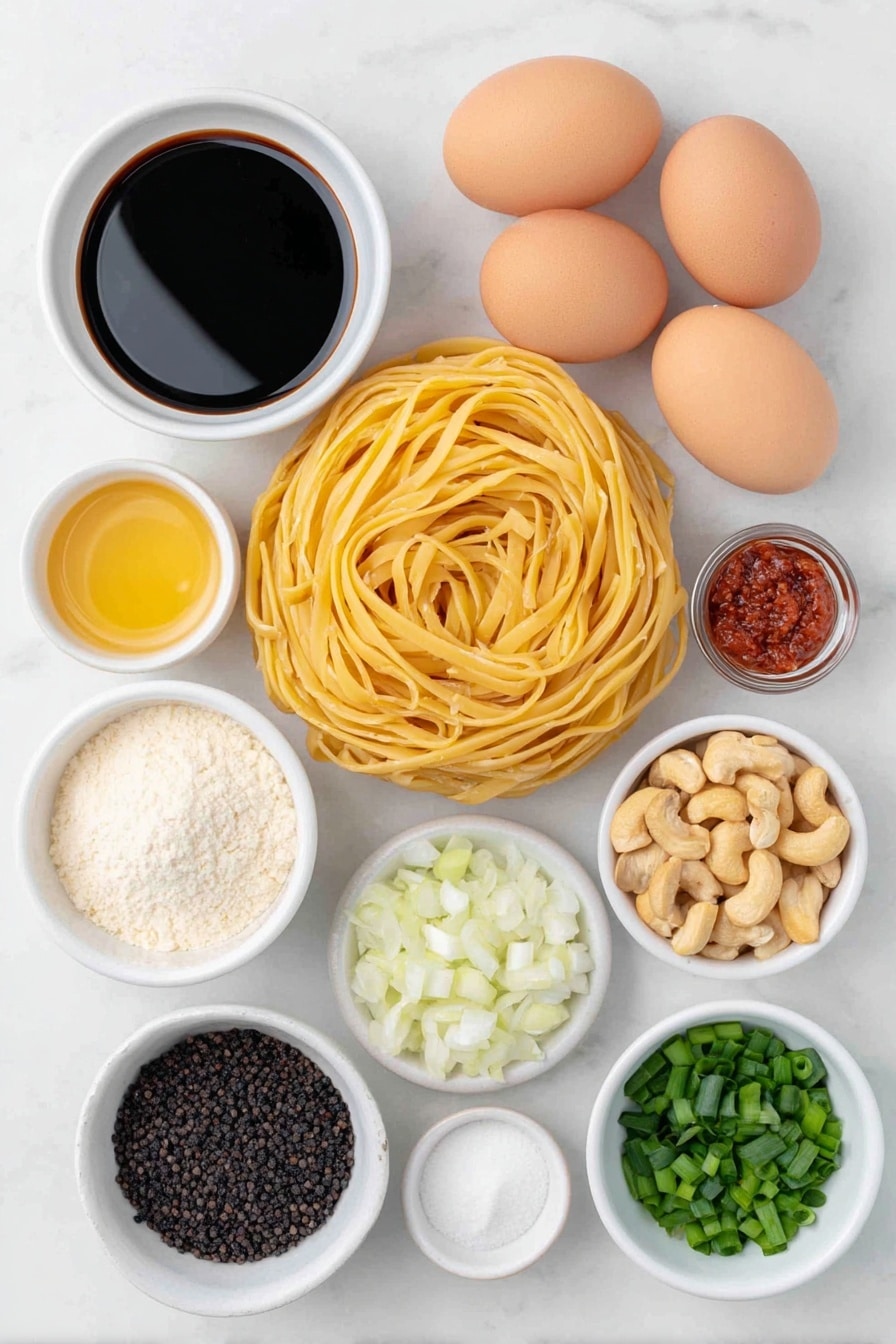
- Water: Helps balance the sauce and create the perfect saucy consistency.
- Sugar: I like to start with less and adjust; it cuts through the spiciness nicely.
- Soy Sauce: The base for that salty, savory depth—choose a good-quality one.
- Dark Mushroom Soy Sauce: Optional, but I love how it adds color and an earthy flavor.
- Doubanjiang (Chili Bean Paste): The star ingredient for that authentic Kung Pao kick and heat.
- Chinese Black Vinegar: Lends a tangy punch essential for Kung Pao’s signature balance.
- Shaoxing Wine: Optional but recommended for a subtle complexity.
- Szechuan Peppercorns: Crushed fresh is best! They bring the numbing spice that sets Kung Pao apart.
- Cornstarch: Used to thicken the sauce perfectly so it clings to every bit of pasta.
- Pasta: Linguine or spaghetti works great here, but feel free to use what you love.
- Salt: For seasoning the pasta water and finishing touches.
- Olive Oil: A little added to pasta water keeps noodles from sticking.
- Neutral Cooking Oil: Like canola or vegetable oil—perfect for sautéing without overpowering flavors.
- Onion and Scallions: Adds sweetness and freshness; separate the white and green parts for different cooking stages.
- Mushrooms: King oyster mushrooms are my favorite here, but button or shiitake work well too.
- Red Bell Pepper: Adds crunch and a touch of sweetness.
- Dried Chiles: Optional, but I love that extra layer of heat.
- Roasted Cashews or Peanuts: For crunch and that classic Kung Pao texture.
- Sesame Oil: A finishing drizzle adds a wonderful toasted aroma.
Variations
I love how this Vegan Kung Pao Pasta with Mushrooms Recipe is a blank canvas—you can really tailor it to your taste. Don’t hesitate to experiment and make it your own!
- Extra Veggies: Sometimes I add snow peas or baby corn for more crunch and color, and it’s always a hit.
- Spice Levels: Adjust the doubanjiang and dried chiles to ramp up or dial down the heat exactly how you like it.
- Mushroom Mix: Try blending shiitake, cremini, and king oyster for an even richer umami flavor.
- Nut-Free: Swap out cashews or peanuts for toasted pumpkin seeds if you’re avoiding nuts.
How to Make Vegan Kung Pao Pasta with Mushrooms Recipe
Step 1: Whip Up the Flavor-Packed Sauce
Start by mixing together all the sauce ingredients—soy sauce, doubanjiang, sugar, vinegar, Shaoxing wine, water, and crushed Sichuan peppercorns—in a bowl. Taste and tweak it to your heart’s content. I like mine with a serious kick, so I sometimes add a touch more chili bean paste. Set this flavorful mixture aside while you get everything else ready.
Step 2: Prepare the Cornstarch Slurry
In a small bowl, mix the cornstarch with room temperature water until smooth. This slurry is key for thickening the sauce—without it, the noodles would be swimming in liquid instead of wrapped in that delicious glaze.
Step 3: Cook the Pasta Perfectly
Bring a large pot of water to a boil, generously salt it, and add a splash of olive oil—this prevents the pasta from sticking. Cook your pasta until al dente or slightly chewy, which I find holds up best when tossed in the sauce. Drain and save a cup of the pasta water—you might need it later!
Step 4: Sauté the Veggies and Mushrooms
Heat up a pan over medium heat with neutral oil. Toss in the diced onion, the white parts of the scallions, red bell pepper, and mushrooms. Saute them until they’re soft and golden, which usually takes about 5-7 minutes. If you’re using dried chilies, add them here to infuse their smoky heat into the oil.
Step 5: Combine Sauce and Pasta
Pour the sauce mix into the pan with the veggies and bring it to a simmer. Once bubbling, add your cooked pasta and stir it all together. Give the cornstarch slurry a quick stir to re-mix any settled starch, then pour it over the pasta. Keep stirring until the sauce thickens and coats every single strand.
Step 6: Finish with Crunch and Freshness
Let the pasta soak up the sauce for a few minutes on low heat, then fold in roasted cashews or peanuts along with the green parts of the scallions. Taste and adjust seasoning with salt or a pinch more sugar if needed. A drizzle of sesame oil right at the end really brings that extra fragrant touch.
Step 7: Serve while Hot with Extra Mushrooms on Top
Top with a handful of pan-fried mushrooms for texture and that umami boost, then dive in while it’s warm and saucy. Trust me, it’s magic.
Pro Tips for Making Vegan Kung Pao Pasta with Mushrooms Recipe
- Freshly Crushed Sichuan Peppercorns: I learned that freshly crushing the peppercorns makes a huge difference—it gives the dish a bright, numbing spice that you just can’t get from pre-ground powder.
- Don’t Overcook the Pasta: Cooking it al dente ensures it doesn’t get mushy after absorbing the sauce—plus, it’s got a better bite.
- Sauce Thickness Matters: Adding the cornstarch slurry slowly and stirring continuously helps the sauce cling perfectly without turning gummy.
- Balancing Heat and Sweetness: I always taste as I go, adding sugar little by little to counterbalance the spicy and tangy components just right.
How to Serve Vegan Kung Pao Pasta with Mushrooms Recipe
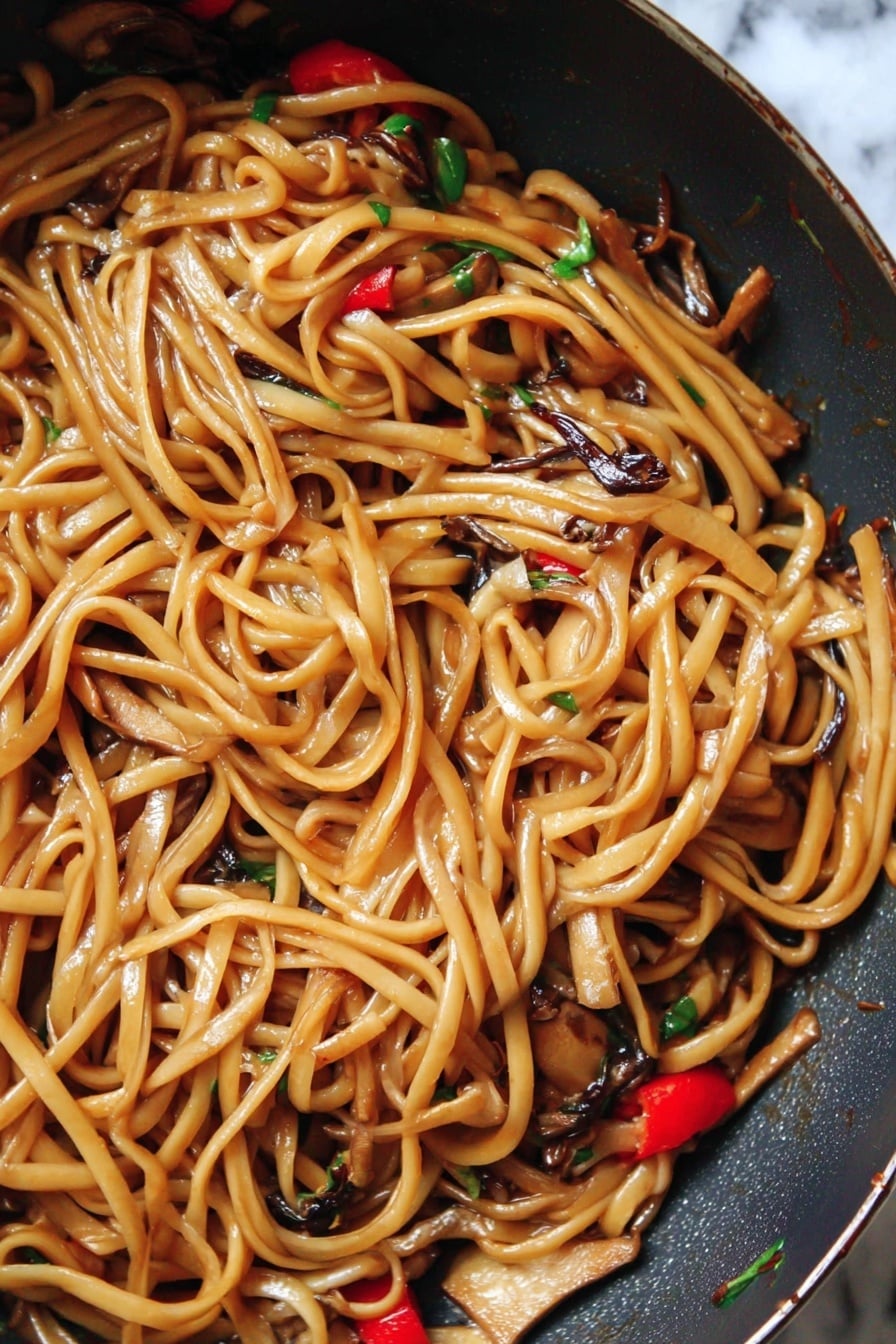
Garnishes
I’m a big fan of sprinkling extra roasted peanuts or cashews for crunch and texture—don’t skip this! A few extra sliced scallions and a light drizzle of toasted sesame oil or even a pinch of toasted sesame seeds add flavor and that extra-special look.
Side Dishes
This dish stands beautifully on its own, but I love pairing it with a simple cucumber salad or steamed greens like bok choy to cut through the richness. A side of lightly sautéed snap peas or garlic green beans also works wonders.
Creative Ways to Present
For special occasions, I like to serve this in shallow bowls topped with a sprinkle of fresh chopped cilantro or Thai basil and a wedge of lime for squeezing. It adds a vibrant pop and makes the dish look alive and inviting on the table.
Make Ahead and Storage
Storing Leftovers
Leftover Vegan Kung Pao Pasta with Mushrooms keeps well in an airtight container in the fridge for up to 3 days. I usually add a splash of water before reheating to keep the pasta from drying out as it tends to soak up the sauce over time.
Freezing
I don’t recommend freezing because the pasta can get mushy, but if you want to, freeze it in portioned airtight containers without the nuts (add them fresh after reheating). Thaw overnight in the fridge before warming gently on the stovetop.
Reheating
To reheat, I add a little splash of water or vegetable broth and warm the pasta gently in a pan over low heat, stirring occasionally. This helps revive the sauce and keeps the noodles from sticking or drying out.
FAQs
-
Is this Vegan Kung Pao Pasta with Mushrooms Recipe spicy?
Yes, it has a nice spicy kick thanks to the doubanjiang and dried chiles, but you can easily adjust the heat level by reducing or omitting these ingredients. The recipe is very flexible to suit your taste preferences.
-
Can I use other types of pasta for this recipe?
Absolutely! While I use linguine or spaghetti to mimic the classic mouthfeel, any pasta you prefer works great here. Just aim for a shape that holds sauce well.
-
What if I don’t have Shaoxing wine?
If you don’t have Shaoxing wine, you can substitute with dry sherry, sake, or simply omit it. The dish will still be tasty but with a slightly less complex depth.
-
How do I crush Sichuan peppercorns at home?
Use a mortar and pestle to lightly crush the peppercorns until fragrant. If you don’t have one, placing them in a sealed plastic bag and gently pounding with a rolling pin works too.
-
Can I make this recipe nut-free?
Yes! Simply skip the cashews or peanuts and consider adding toasted seeds like pumpkin or sunflower seeds for crunch instead.
Final Thoughts
This Vegan Kung Pao Pasta with Mushrooms Recipe has quickly become one of my go-to meals when I want something comforting yet exciting. It hits that perfect balance of spicy, sweet, tangy, and umami that keeps me coming back for more. Plus, it’s a breeze to make and easy to customize based on whatever you’ve got in your kitchen. Trust me, once you try it, it’ll be a new favorite in your rotation too—so go ahead, turn on that stove, and treat yourself to this saucy goodness tonight!
Print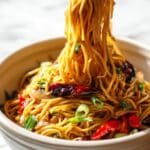
Vegan Kung Pao Pasta with Mushrooms Recipe
- Prep Time: 5 minutes
- Cook Time: 15 minutes
- Total Time: 20 minutes
- Yield: 2 servings
- Category: Main Course
- Method: Stovetop
- Cuisine: Fusion (Chinese-Italian)
- Diet: Vegan
Description
Vegan Kung Pao Pasta is a flavorful fusion dish combining the spicy, savory elements of traditional Kung Pao sauce with tender pasta and sautéed vegetables. This recipe features a tangy, umami-rich sauce made from soy sauce, chili bean paste, and Szechuan peppercorns, tossed with linguine or spaghetti, mushrooms, bell peppers, and crunchy roasted cashews or peanuts, making it a satisfying vegan meal with a perfect balance of heat, acidity, and nuttiness.
Ingredients
Sauce Ingredients
- 1/2 cup water
- 1.5-2 tbsp sugar (adjust according to desired sweetness)
- 1 tbsp soy sauce
- 1 tsp dark mushroom soy sauce (optional for colour)
- 1 tbsp doubanjiang (or chili bean paste)
- 2 tsp Chinese black vinegar (or Chinkiang vinegar)
- 1 tbsp Shaoxing wine (or other rice wine like sake, optional)
- 1/2-1 tsp Szechuan peppercorns (crushed)
Thickening Slurry
- 1/2 tbsp cornstarch
- 1 tbsp room temperature water
Pasta & Vegetables
- 4.5 oz dry pasta of choice (linguine or spaghetti recommended)
- Salt (to taste)
- Olive oil (for cooking and adding to pasta water)
- 1 tbsp neutral oil (for cooking)
- 1/2 small onion (diced)
- 2 scallions or green onions (sliced into 2″ (5 cm) pieces, white and green parts separated)
- 1 cup chopped mushrooms (king oyster mushrooms recommended, plus more for topping, optional)
- 1/2 small red bell pepper (diced)
- 3 dried chiles (arbor chiles optional)
For Garnish
- Roasted cashews or peanuts
- Green parts of the scallions or green onions
- Drizzle of sesame oil
Instructions
- Prepare the sauce: In a bowl, mix together the water, sugar, soy sauce, dark mushroom soy sauce (if using), doubanjiang or chili bean paste, Chinese black vinegar, Shaoxing wine, and crushed Szechuan peppercorns. Adjust the sauce according to your preferred level of sweetness and spiciness.
- Make the cornstarch slurry: In a small bowl, combine cornstarch and room temperature water, stirring until smooth. Set aside this slurry and the sauce mixture.
- Cook the pasta: Bring a pot of salted water to a boil and add a little olive oil to prevent sticking. Add the pasta and cook until al dente or chewy as preferred. Drain the pasta and reserve some pasta water for later use.
- Sauté vegetables and aromatics: Heat a pan over medium heat and add neutral oil. Sauté the diced onion, the white parts of the scallions, diced red bell pepper, and chopped mushrooms until tender. Add the dried chiles if using to infuse heat.
- Combine with sauce: Pour the prepared sauce mixture into the pan with the vegetables. Allow it to simmer over medium heat until it starts boiling.
- Add pasta and thicken sauce: Add the cooked pasta to the pan. Re-stir the cornstarch slurry to ensure there is no settling, then pour it over the pasta. Stir and cook on medium heat until the sauce thickens and coats the pasta evenly.
- Finish and season: Let the pasta cook a few more minutes to absorb the sauce. Stir in roasted cashews or peanuts, the green parts of the scallions, and drizzle sesame oil. Taste and season with additional salt or sugar if needed. Add pasta water if reheating later, as the pasta will absorb more sauce while cooling.
- Serve: Turn off heat and garnish with additional pan-fried mushrooms if desired. Serve immediately while hot and enjoy your saucy, umami-packed Vegan Kung Pao Pasta!
Notes
- This Kung Pao Pasta is incredibly saucy and umami-rich, offering a satisfying vegan twist on the classic Chinese flavors.
- You can customize the dish by adding more vegetables or different varieties of mushrooms according to your preference.
- Doubanjiang (chili bean paste) provides authentic flavor, but can be substituted or adjusted for spice tolerance.
- If reheating, add reserved pasta water to loosen the sauce as the pasta continues to absorb moisture while cooling.
- Using dark mushroom soy sauce adds color without affecting flavor significantly.
Nutrition
- Serving Size: 1 serving
- Calories: 406 kcal
- Sugar: 15 g
- Sodium: 689 mg
- Fat: 9 g
- Saturated Fat: 1 g
- Unsaturated Fat: 7 g
- Trans Fat: 1 g
- Carbohydrates: 69 g
- Fiber: 5 g
- Protein: 12 g
- Cholesterol: 0 mg