


If you’ve been on the lookout for a bread recipe that’s wholesome, straightforward, and actually tastes amazing, you’ve got to try this Healthy Whole Wheat Bread Recipe. I absolutely love how fluffy and satisfying it turns out, all while using just a handful of simple, natural ingredients. Whether you’re a beginner or a seasoned home baker, this recipe will become your new go-to for homemade bread that’s good for your body and soul.
Why You’ll Love This Recipe
- Simple Ingredients: Only six pantry staples combine to make this nutritious loaf, so no need for complicated shopping trips.
- Soft & Fluffy Texture: The bread is tender but hearty, perfect for sandwiches, toasting, or even French toast.
- Kid- and Family-Friendly: My family goes crazy for this bread — it’s wholesome enough for health-conscious eaters and delicious enough for picky kids.
- Step-by-Step Friendly: I’ve added tips and tricks so you won’t get overwhelmed, making it easier than you think to bake bread at home.

Ingredients You’ll Need
The magic of this Healthy Whole Wheat Bread Recipe lies in the quality and balance of its ingredients. Each plays a role in flavor, texture, and how soft the bread turns out. When I’m shopping, I always make sure to grab freshly milled whole wheat flour and good-quality honey or maple syrup for a natural touch of sweetness.
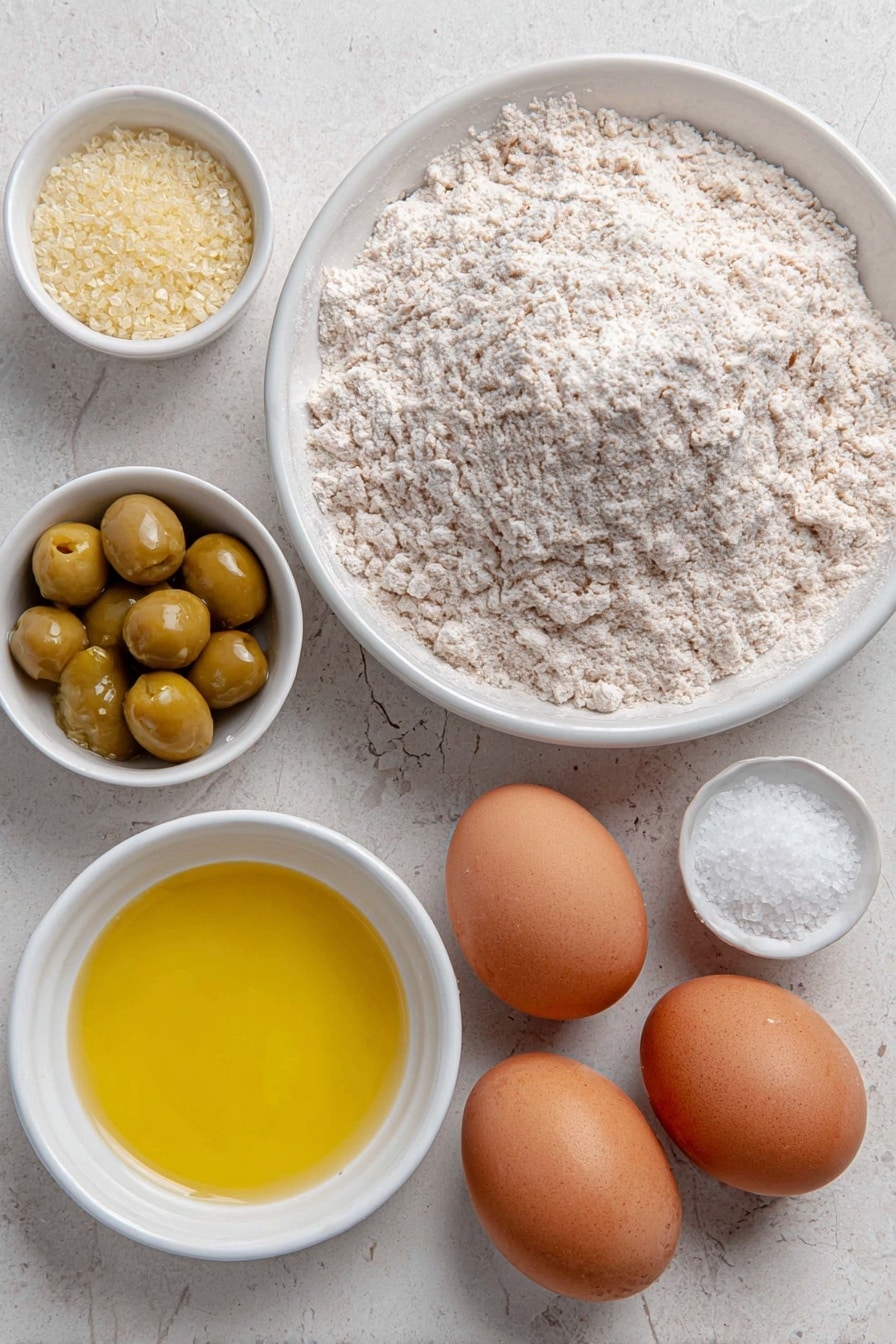
- Whole wheat flour: Look for 100% whole wheat flour; it gives the bread that rich, nutty flavor and fiber boost.
- Warm water: Make sure it’s warm to the touch, about 110°F, to activate the yeast properly without killing it.
- Honey (or maple syrup): This natural sweetener helps feed the yeast and adds a subtle sweetness I find irresistible.
- Olive oil (or melted butter): Adds moisture and tenderness to the crumb; olive oil gives a nice, mild fruity note.
- Active dry yeast: Essential for rising and fluffiness; always check your yeast is fresh for best results.
- Kosher salt: Balances flavor and controls yeast fermentation for a perfect crumb.
Variations
I love how forgiving this Healthy Whole Wheat Bread Recipe is when it comes to customization — it easily adapts to your pantry and taste preferences. Over time, I discovered some tweaks that bring out new flavors or cater to dietary needs while keeping that soft texture I adore.
- Add Seeds or Nuts: I like tossing in sunflower seeds or chopped walnuts right before shaping for a delightful crunch and nutrition boost.
- Substitute Sweeteners: Using maple syrup instead of honey works perfectly, especially if you want a vegan option; it adds a lovely depth of flavor.
- Make It Gluten-Free Friendly: While this is a whole wheat recipe, you can swap half of the flour with a gluten-free blend, but expect a denser loaf.
- Herb Infusion: Adding fresh rosemary or thyme during the mixing stage has become my family’s favorite seasonal twist.
How to Make Healthy Whole Wheat Bread Recipe
Step 1: Activate the Yeast
Start by warming your water until it feels comfortably warm, about 110°F (warm, not hot!). Stir in the honey until it dissolves completely, then sprinkle the yeast over the top. Give it a quick stir, then walk away for about 5 minutes. You’ll know it’s ready when the surface gets foamy — like a little cap of bubbles. This is the sign that your yeast is alive and well, which means your bread will rise beautifully.
Step 2: Mix Wet and Dry Ingredients
Once your yeast mixture is bubbly, stir in the olive oil. In a separate bowl, whisk together the whole wheat flour and kosher salt. Gradually add the flour mixture to the wet ingredients, stirring with a wooden spoon or dough whisk as you go. You want the dough to start coming together but don’t worry if it’s sticky—that’s normal for whole wheat dough!
Step 3: Knead the Dough
Transfer your dough onto a lightly floured surface. Now comes the fun (and therapeutic) part: kneading. Press, fold, and stretch the dough for about 8 to 10 minutes. You’ll notice it going from shaggy to smoother and more elastic, which tells you the gluten is developing perfectly. This step gives your bread that soft-yet-chewy texture I just love.
Step 4: First Rise
Shape the dough into a ball and place it in a greased bowl. Cover it with a clean kitchen towel or plastic wrap, and let it do its magic in a warm, draft-free spot for about 1 to 1½ hours, or until it doubles in size. I like to put mine in the oven with just the light on — it’s like a cozy little bread incubator!
Step 5: Shape and Second Rise
Gently punch down the risen dough to release trapped air, then transfer back onto a lightly floured surface. Shape it into a classic loaf form—rounded or rectangular, whatever you prefer. Place it into a greased loaf pan, cover, and give it another 30 to 45 minutes to rise again, until it peeks just above the pan’s rim.
Step 6: Bake to Perfection
Preheat your oven to 375°F (190°C). Pop the loaf in and bake for 35 to 40 minutes. You’ll know it’s done when it’s golden brown on top and it sounds hollow if you tap the bottom (a little trick I learned after some trial-and-error). Let it cool for a few minutes in the pan before moving it to a wire rack to cool completely — slicing too soon can make it gummy.
Pro Tips for Making Healthy Whole Wheat Bread Recipe
- Don’t Rush the Rise: I’ve learned that skipping or shortening the rising steps leads to dense bread, so patience really pays off here.
- Use a Dough Whisk: This tool makes mixing the sticky dough way easier and less messy than using a spoon.
- Keep Your Water Temperature Just Right: Too hot can kill yeast, too cold slows it down — I use a thermometer to nail the warmth.
- Test Doneness by Tapping: Every oven is different, so tapping the bottom to hear that hollow sound is the foolproof way I check if it’s ready.
How to Serve Healthy Whole Wheat Bread Recipe
Garnishes
When I’m serving this bread fresh, I love to brush the crust with a little melted butter and sprinkle flaky sea salt on top—it adds that perfect finishing touch. Another favorite is spreading a thin layer of herb-infused olive oil or a smudge of tangy cream cheese mixed with chives for a quick treat.
Side Dishes
This bread pairs beautifully with all sorts of meals. My go-to is homemade soup — think creamy tomato or hearty vegetable — where dipping the bread is half the fun. It’s also great alongside fresh salads, or as the foundation for any sandwich, from turkey and avocado to classic peanut butter and jam.
Creative Ways to Present
For special occasions, I like slicing the bread thick and toasting it, then layering with roasted garlic, sliced tomatoes, and fresh basil for an upscale bruschetta. Another idea is to cut shapes using cookie cutters for fun, kid-friendly sandwiches at parties—always a hit.
Make Ahead and Storage
Storing Leftovers
I usually keep leftover bread in a breathable paper bag or wrapped loosely in a kitchen towel at room temperature. It stays fresh for about 2-3 days this way. Avoid plastic bags unless you’re freezing it, because they trap moisture and make the crust soggy.
Freezing
I’ve found that slicing the bread before freezing makes life easier—you can pull out just what you need. Wrap individual slices tightly in plastic wrap then place them in a freezer-safe bag. They keep well for up to 3 months and thaw quickly at room temperature or in the toaster.
Reheating
To bring back that fresh-baked feel, I pop slices straight into the toaster or warm the whole loaf in a 350°F oven wrapped in foil for about 10 minutes. This warms through without drying it out, and the crust softens nicely.
FAQs
-
Can I use bread flour instead of whole wheat flour?
You can substitute bread flour for whole wheat to create a lighter and fluffier loaf, but it won’t have the same nutty flavor or fiber content. If you want a balance, try a mix of half whole wheat and half bread flour.
-
Why does my bread sometimes turn out dense?
Dense bread usually means the dough didn’t rise enough—either the yeast was old, the water was too hot or cold, or the rising time was too short. Make sure your yeast is fresh and give it enough time to double in size during both rises.
-
Can I make this bread in a bread machine?
Absolutely! Add the ingredients in the order your machine recommends and select the whole wheat or basic bread cycle. Keep in mind that kneading times may vary, and always check the dough consistency during the cycle to avoid overly sticky dough.
-
How do I know when the bread is fully baked?
The best test is tapping the bottom of the loaf; it should sound hollow and feel light. If you’re unsure, use an instant-read thermometer inserted into the center—it should register around 190-200°F.
-
Is it okay to substitute olive oil with butter?
Yes! Melted butter adds a richer flavor and slight sweetness. Just make sure it’s cooled slightly before adding, so it doesn’t kill the yeast.
Final Thoughts
Baking bread at home can sometimes feel intimidating, but this Healthy Whole Wheat Bread Recipe makes it genuinely doable and rewarding. I love how versatile it is—perfect for a quick breakfast toast or a soulful dinner side. Once you try it, you’ll appreciate the satisfying process and the beautiful aroma that fills your kitchen. Trust me, you’ll want to make this again and again, sharing loaves with friends and family who’ll definitely ask for your secret!
Print
Healthy Whole Wheat Bread Recipe
- Prep Time: 15 minutes
- Cook Time: 40 minutes
- Total Time: 2 hours 25 minutes
- Yield: 10 slices
- Category: Bread
- Method: Baking
- Cuisine: American
- Diet: Vegetarian
Description
This homemade whole wheat bread recipe yields a soft, fluffy loaf with a wholesome flavor. Made with only six simple ingredients including whole wheat flour, honey, olive oil, and active dry yeast, it’s a straightforward and rewarding baking project perfect for toast, sandwiches, or French toast.
Ingredients
Wet Ingredients
- 1 ½ cups warm water
- 2 tablespoons honey (or maple syrup)
- 2 tablespoons olive oil (or melted butter)
Dry Ingredients
- 3 cups whole wheat flour
- 2 teaspoons active dry yeast
- 1 ½ teaspoons kosher salt
Instructions
- Activate Yeast: In a large bowl, combine the warm water and honey. Stir until the honey is dissolved. Sprinkle the active dry yeast over the surface and let it sit for about 5 minutes, or until the mixture becomes foamy, indicating that the yeast is active.
- Add Olive Oil: Once the yeast mixture is foamy, add the olive oil and stir to combine thoroughly.
- Mix Dry Ingredients: In a separate mixing bowl, whisk together the whole wheat flour and kosher salt to evenly distribute the salt through the flour.
- Combine Mixtures: Gradually add the flour and salt mixture to the wet yeast mixture. Stir with a wooden spoon or dough whisk until a dough begins to form.
- Knead Dough: Transfer the dough onto a lightly floured surface. Knead it for 8-10 minutes, or until the dough becomes smooth and elastic, which helps develop the gluten structure for a soft bread crumb.
- First Rise: Shape the dough into a ball and place it in a greased bowl. Cover the bowl with a clean kitchen towel and let the dough rise in a warm place for 1 to 1 ½ hours, or until it has doubled in size.
- Punch Down Dough: Once risen, gently punch down the dough to release built-up air. Transfer it back to a lightly floured surface and shape it into a loaf.
- Second Rise: Place the shaped dough into a greased loaf pan. Cover again with a kitchen towel and let it rise for another 30-45 minutes, or until the dough rises above the edges of the pan.
- Preheat Oven: While the dough completes its second rise, preheat your oven to 375°F (190°C).
- Bake the Bread: Bake the loaf for 35-40 minutes, until it turns golden brown and sounds hollow when tapped on the bottom, indicating it is fully baked.
- Cool Bread: Remove the bread from the oven and allow it to cool in the pan for a few minutes. Then transfer it to a wire rack to cool completely before slicing to prevent the crumb from becoming gummy.
Notes
- This bread is soft, fluffy, and made with whole wheat for a nutritious twist.
- Perfect for making French toast, sandwiches, or simple toasted slices.
- Use maple syrup in place of honey for a vegan alternative.
- Kneading well and allowing proper rising times are key to a good texture.
- Make sure to cool the bread completely before slicing to maintain the best crumb structure.
Nutrition
- Serving Size: 1 slice
- Calories: 162 kcal
- Sugar: 4 g
- Sodium: 350 mg
- Fat: 4 g
- Saturated Fat: 1 g
- Unsaturated Fat: 3 g
- Trans Fat: 0 g
- Carbohydrates: 30 g
- Fiber: 4 g
- Protein: 5 g
- Cholesterol: 0 mg