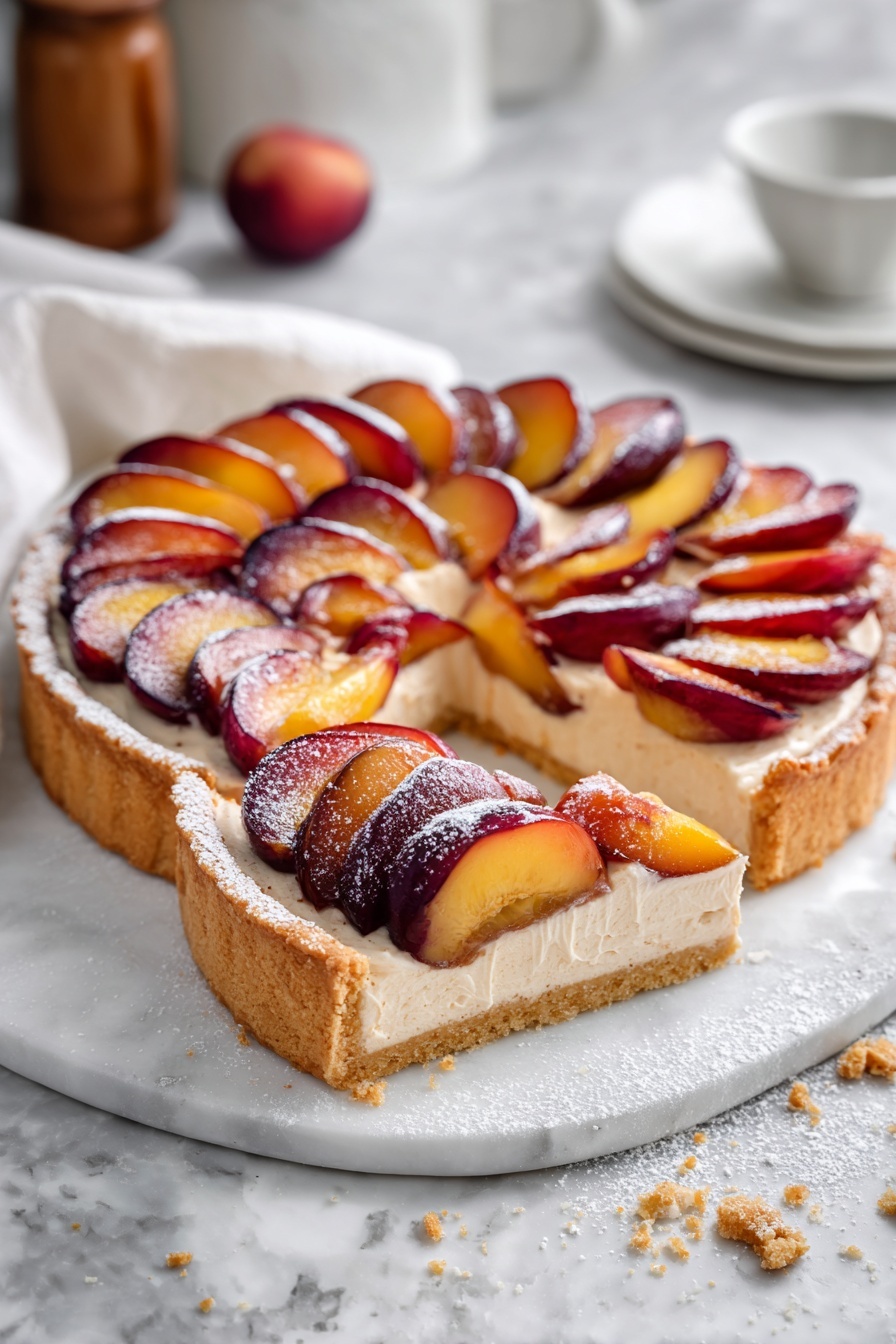
If you love simple fruit desserts that feel like a warm hug from the inside, then this German Plum Tart Recipe is going to become your new favorite. I absolutely love this tart because of its perfectly buttery crust combined with juicy, slightly tart plums baked until caramelized—it’s one of those recipes that always brings back memories and makes the whole kitchen smell heavenly. Whether you’re new to baking or looking for a refreshing summer dessert, this recipe is straightforward, foolproof, and honestly, a fan-freaking-tastic treat you’ll want to make again and again.
Why You’ll Love This Recipe
- Heritage and Tradition: This recipe has been in my family for five generations, making it a true taste of German home baking.
- Simple Ingredients: You need just a handful of pantry staples plus fresh plums—easy to find and easy to love.
- Everyday Elegance: It looks fancy with its spiral plum arrangement but is surprisingly easy to make.
- Perfect Summer Dessert: Juicy plums take center stage, making it the ideal treat when those stone fruits are at their peak.

Ingredients You’ll Need
To craft this German Plum Tart recipe, you’ll want good-quality butter and fresh plums at their juiciest. These ingredients complement each other beautifully, with the buttery crust providing a lovely base for the tart plums to shine.
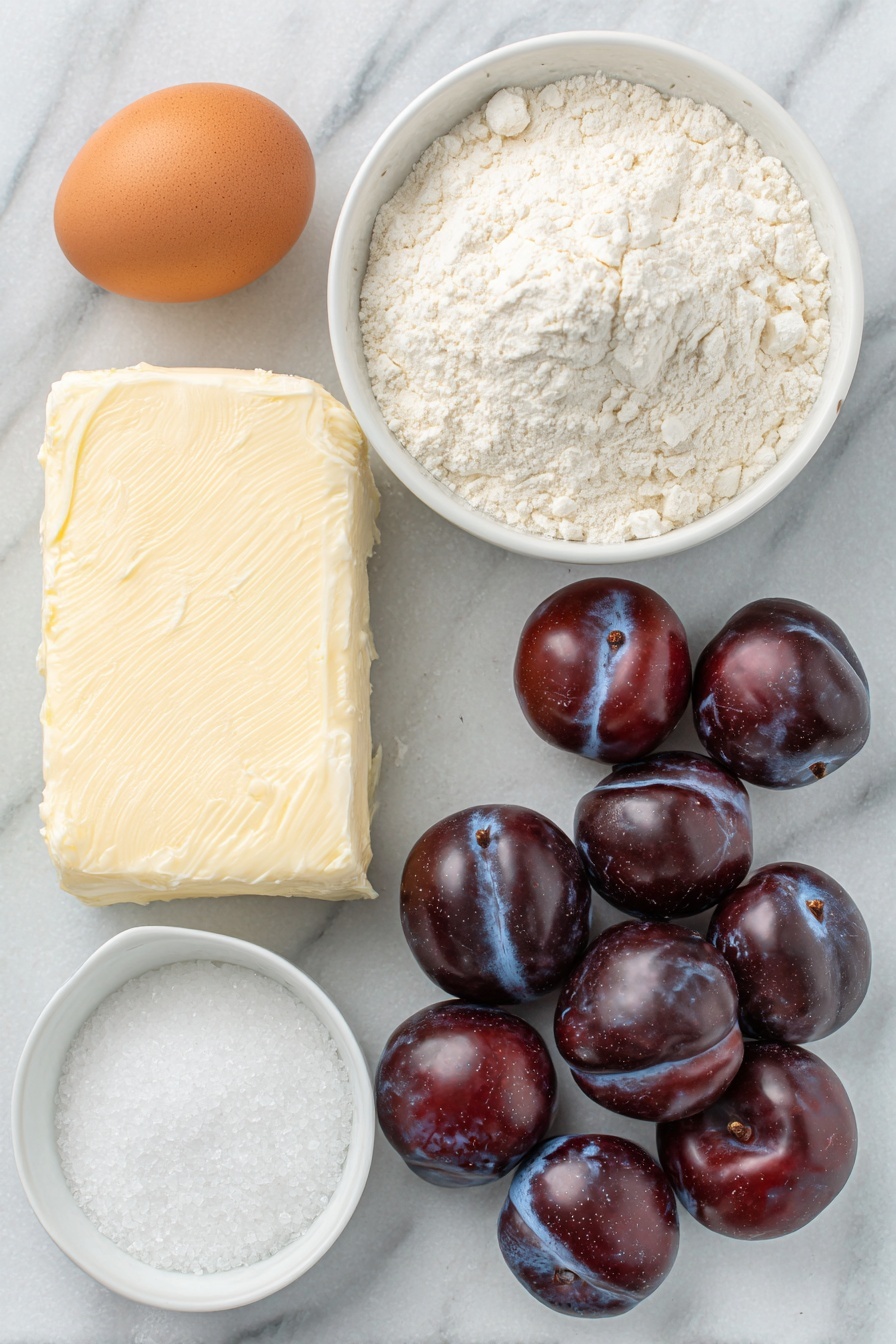
- Unsalted Butter: Room temperature is key here to cream it easily with sugar without melting.
- Granulated Sugar: Divided use—part in the dough for sweetness, part sprinkled on top for a nice caramelized finish.
- Salt: Just a pinch helps balance the flavors and cut through the sweetness.
- Large Egg Yolk: Adds richness and helps bind the dough together.
- All-Purpose Flour: The base for your crust—start with the recommended amount and add a little more if the dough is sticky.
- Fresh Plums: Preferably ripe but still firm, sliced to show off their beautiful color and texture once baked.
Variations
I love customizing this German Plum Tart recipe depending on the season and my mood—this tart is so flexible that it adapts well to little tweaks, which make it even more fun to bake.
- Fruit Variations: I’ve swapped plums with ripe apples or pears when plums aren’t in season, and it works beautifully keeping that homey vibe.
- Gluten-Free Option: Try a gluten-free flour blend if you’re avoiding gluten; just be mindful of the dough texture and add a splash of cold water if needed.
- Spiced Twist: Adding a pinch of cinnamon or cardamom to the dough or tossing the plums in a little ground spice can add warmth to the flavor.
How to Make German Plum Tart Recipe
Step 1: Preparing Your Pan and Ingredients
First, grease a 9-inch springform pan generously with butter. I always find that prepping the pan well makes it so much easier to release the tart after baking without losing any of the crust’s precious edges. While you do this, pit and slice your fresh plums into ½-inch slices—this size is perfect to keep them tender but still hold their shape once baked.
Step 2: Making the Dough
In a large bowl, combine the room-temperature butter with half a cup of granulated sugar, salt, and the egg yolk. Use a hand mixer on low speed and mix until just combined—you want to avoid overworking the dough to keep it tender. Now for a neat trick I discovered: instead of dumping all the flour in at once, add about ¼ cup at a time, mixing gently after each addition until the flour just incorporates. Repeat this until you’ve folded in all the flour. If it feels too sticky to handle, sprinkle a tablespoon or two more flour and gently knead it in.
Step 3: Assembling the Tart
Press the dough evenly across the bottom of your prepared springform pan. I like using my hands because you can feel when the dough is evenly spread but not too thick. Next, arrange your plum slices on top in a lovely spiral pattern, starting at the outer edge and working your way toward the center. It looks beautiful and ensures every bite has some plum goodness. Don’t worry if the dough edges peek through a little—they’ll brown nicely and add texture.
Step 4: Baking to Perfection
Bake the tart at 350°F (175°C) for about 42 to 45 minutes, or until the crust edges are golden brown and the plums look caramelized. After baking, let the tart cool in the pan for at least 20 minutes—that’s key because you want the filling to set up just enough to slice nicely. Ten minutes before serving, sprinkle the reserved two tablespoons of sugar over the top; it melts slightly on the plums adding a wonderful sparkly sweetness that makes my family go crazy for this tart. Trust me, this little finishing touch makes all the difference.
Pro Tips for Making German Plum Tart Recipe
- Room Temperature Is Key: Bring butter and egg yolk to room temperature for smoother mixing and a tender crust.
- Add Flour Gradually: Adding flour in smaller portions keeps the dough from becoming dense or tough.
- Look for Golden Edges: The crust should be nicely browned along the sides—that’s your sign the tart’s ready and full of flavor.
- Sugar Sprinkle Finish: I learned that sprinkling sugar right before serving keeps the top plums bright and adds a lovely crunch that’s better than baking it in.
How to Serve German Plum Tart Recipe
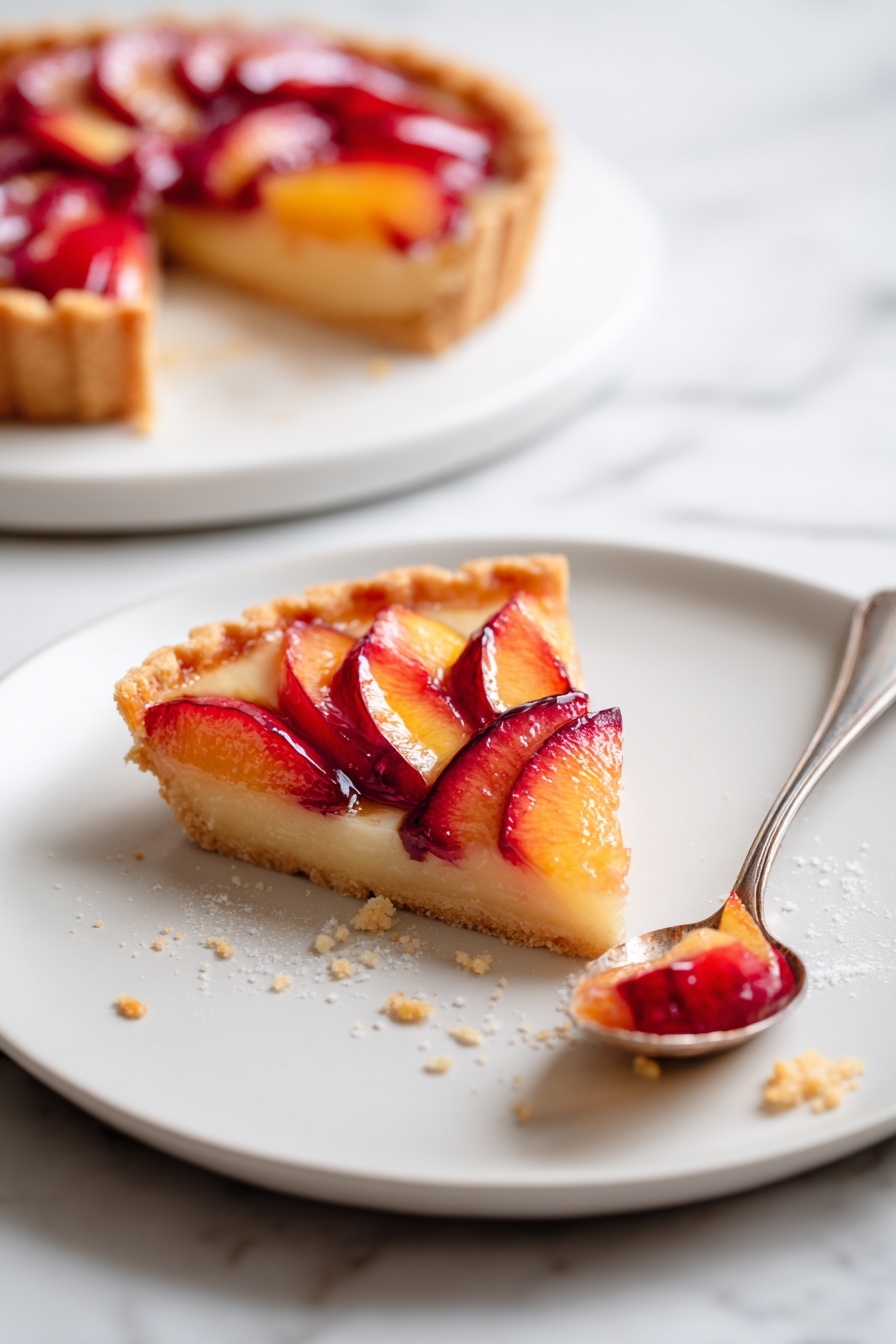
Garnishes
I love serving this tart with a dollop of lightly whipped cream or a scoop of vanilla ice cream—both add a creamy contrast to the tart plums. Sometimes, I sprinkle a little powdered sugar on top just before serving if I want it extra pretty.
Side Dishes
While this tart shines on its own, pairing it with freshly brewed coffee or a cup of chamomile tea makes for the perfect afternoon treat. If you’re serving it as dessert after a light meal, simple roasted nuts or a fresh green salad work surprisingly well to balance sweetness.
Creative Ways to Present
I once made this tart for a birthday brunch and added a small sprig of fresh mint on each slice for a pop of color and a little fragrance—it was a hit! You can also carefully drizzle a bit of honey over the warm tart just before serving for an elegant glaze that impresses guests.
Make Ahead and Storage
Storing Leftovers
I usually store leftover tart in the springform pan, covered tightly with plastic wrap, and keep it in the refrigerator for up to two days. I find letting it come to room temperature before serving helps revive the texture and flavor beautifully.
Freezing
While I haven’t frozen this tart often, I recommend freezing it unbaked if you want to prepare it ahead. Wrap it tightly in plastic wrap and foil, and bake from frozen, adding some extra baking time. This way, you avoid sogginess and preserve that fresh-baked goodness.
Reheating
To reheat leftovers, I pop individual slices into a toaster oven or conventional oven at 300°F for 5 to 8 minutes. This gently warms the tart, reviving the crust’s crispness without drying it out—microwaving tends to make the crust soggy, so I avoid that if possible.
FAQs
-
Can I use frozen plums for the German Plum Tart recipe?
While fresh plums are ideal for this tart because of their firmness and flavor, you can use frozen plums if needed. Just make sure to thaw them completely and drain any excess juice before arranging on the dough to avoid a soggy crust.
-
What type of plums work best for this tart?
European plums like Italian or Damson plums are fantastic because they hold their shape well and have a balanced tartness, but any ripe, firm plums will do. Avoid overly soft or underripe fruits for the best texture.
-
Is the crust suitable for making a tart with other fruits?
Absolutely! This crust is versatile and works well with many fruits like apples, pears, or cherries. Just adjust baking times depending on the juiciness of the fruit you use.
-
How do I prevent the crust from getting soggy?
Press the dough firmly and evenly, and avoid adding excess juice with the fruit by gently patting plum slices dry if needed. Baking until the edges are golden helps create a barrier that keeps the crust crisp.
Final Thoughts
This German Plum Tart recipe has a special place in my heart—not just because it’s a delicious dessert, but because it connects me to my great-grandmother Herta and five generations of family tradition. It’s one of those recipes that’s both comforting and impressive, and I’m confident you’ll enjoy making it as much as eating it. Next time you have ripe plums on hand, give this recipe a try—you’ll find it’s the perfect way to celebrate simple, honest flavors with incredible results.
Print
German Plum Tart Recipe
- Prep Time: 25 minutes
- Cook Time: 45 minutes
- Total Time: 70 minutes
- Yield: 8 servings (1 nine-inch tart)
- Category: Dessert
- Method: Baking
- Cuisine: German
Description
This traditional German Plum Tart features a buttery, slightly crumbly cookie crust topped with juicy, fresh plums arranged in a beautiful spiral pattern. Baked to golden perfection, this easy-to-make summer dessert has been a cherished family recipe for generations, offering a delightful balance of sweet and tart flavors with a crisp, buttery base.
Ingredients
For the Tart Dough
- 10 tablespoons unsalted butter, room temperature, plus more for greasing the pan
- 1/2 cup (100g) granulated sugar
- 1/4 teaspoon salt
- 1 large egg yolk, at room temperature
- 1 1/4 cups (156g) all-purpose flour, plus more as needed
For the Topping
- 1 to 2 pounds fresh plums, pitted and sliced
- 2 tablespoons granulated sugar (for sprinkling)
Instructions
- Prepare the Pan: Grease a 9-inch springform pan thoroughly with butter to ensure the tart doesn’t stick during baking.
- Make the Dough: In a large bowl, add the softened butter, 1/2 cup sugar, salt, and egg yolk. Using a hand mixer on low speed with beater attachments, mix until just combined. Add 1/4 cup of flour and mix again on low until incorporated. Repeat this step four more times, gradually adding all flour until the dough is soft and slightly crumbly. If the dough feels too sticky, incorporate an additional 1 to 2 tablespoons of flour to achieve the right texture.
- Press the Dough into the Pan: Evenly press the dough into the bottom of the prepared springform pan, ensuring a smooth, level layer as the tart base.
- Prepare and Arrange the Plums: Pit and slice about 1 pound of fresh plums into 1/2-inch thick slices. Reserve extra plums if needed to cover the tart fully. Arrange the plum slices on top of the dough in a spiral pattern, starting with a ring around the outer edge and working inward to form one or two smaller rings in the center. The dough should be mostly covered, leaving about a half-inch visible at the edges.
- Bake the Tart: Place the pan in a preheated oven and bake for 42 to 45 minutes, or until the crust around the edge is nicely browned and the plums are softened.
- Cool and Finish: Allow the tart to cool in the pan for at least 20 minutes. Before serving, about 10 minutes prior, sprinkle the remaining 2 tablespoons of sugar evenly over the plums to add a sweet glaze.
- Storage and Serving: Leftover tart without the sugar topping can be stored in the refrigerator in the springform pan covered with plastic wrap for up to 2 days. Before serving chilled leftovers, let the tart come to room temperature for 30 to 40 minutes, then sprinkle sugar on top as before and serve.
Notes
- This recipe has been passed down for five generations from the great-grandmother, Herta, making it a beloved family classic.
- The buttery cookie-like crust complements the tartness of the fresh plums perfectly, making it an ideal summer dessert.
- If the dough is too sticky, adding a small amount of extra flour helps achieve the perfect texture for pressing.
- The spiral arrangement of plum slices adds an attractive visual element to the tart.
- Storing the tart without sugar sprinkled on top extends its freshness when refrigerated.
Nutrition
- Serving Size: 1 slice (1/8 of tart)
- Calories: 288 kcal
- Sugar: 18 g
- Sodium: 78 mg
- Fat: 16 g
- Saturated Fat: 9 g
- Unsaturated Fat: 0 g
- Trans Fat: 0 g
- Carbohydrates: 34 g
- Fiber: 1 g
- Protein: 4 g
- Cholesterol: 84 mg