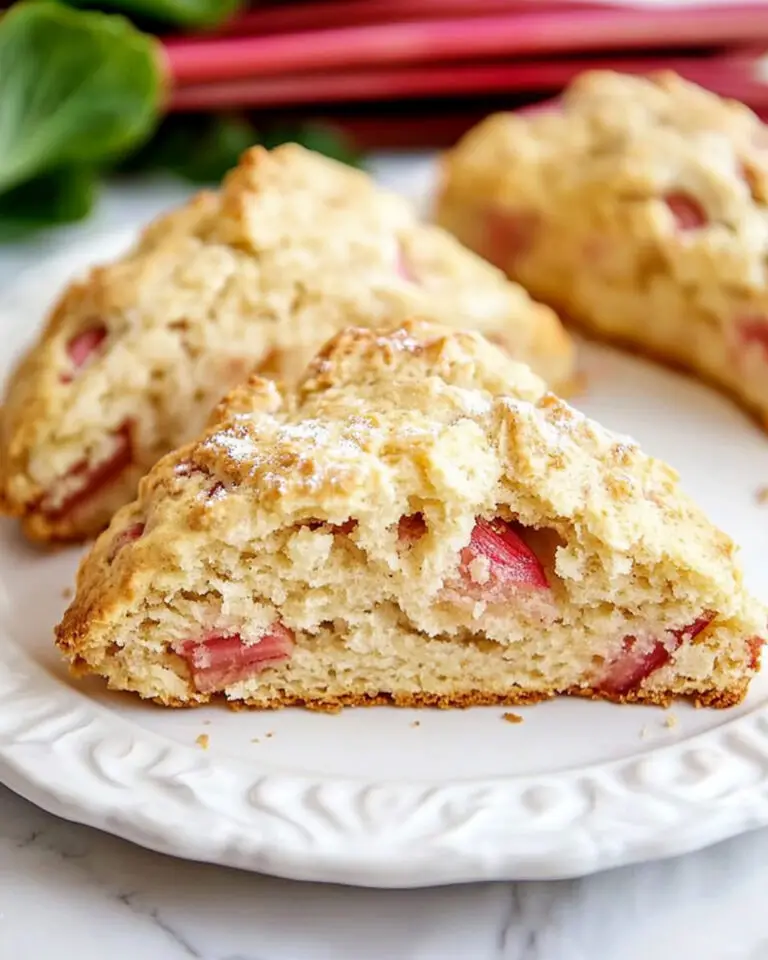

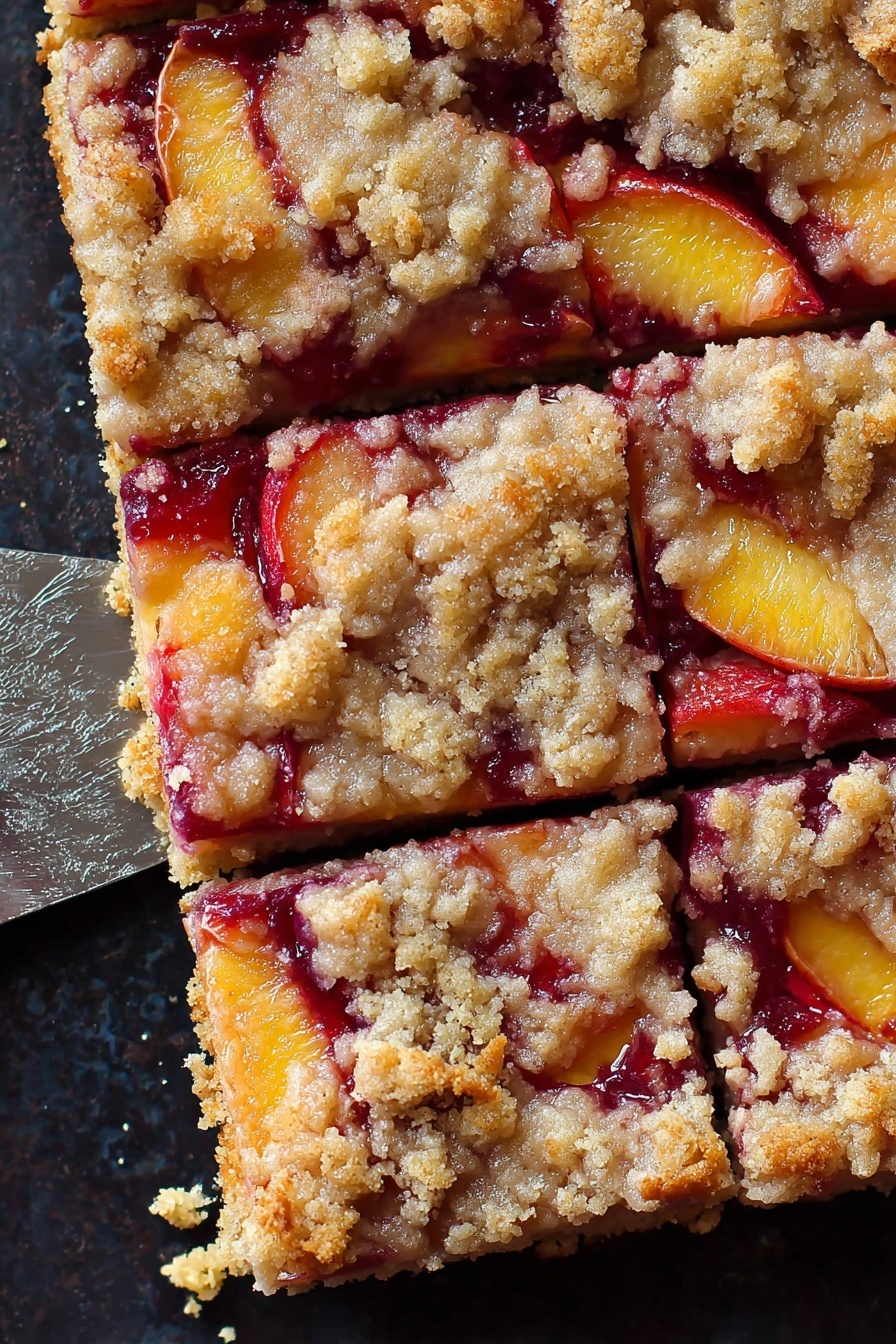
If you’re looking to impress with a dessert that’s both comforting and a little bit special, you’ve got to try this German Plum Cake with Yeast Crust Recipe. I absolutely love how it combines a tender, slightly chewy yeast dough base with juicy, tart plums and a buttery crumbly streusel topping that just melts in your mouth. When I first made this, the aroma alone filled my kitchen with cozy vibes — you’ll see why it’s a cherished classic from southern Germany (Swabia) that my family goes crazy for!
Why You’ll Love This Recipe
- Authentic Yeast Crust: Unlike quick cakes, the yeast dough adds a pillowy, tender base that’s utterly satisfying.
- Juicy Plums Meet Buttery Streusel: The perfect balance of tart fruit and crumbly topping keeps every bite interesting.
- Great for Gatherings: It slices into neat squares that are perfect for sharing at family dinners or brunches.
- Beginner Friendly: Even if you’ve never worked with yeast before, I’ll walk you through the simple steps for success.

Ingredients You’ll Need
The ingredients for this German Plum Cake with Yeast Crust Recipe are straightforward and pantry-friendly, but each plays a role in creating the cake’s signature texture and flavor. I recommend using ripe but firm Italian plums so you get that balance of sweetness and tang without the cake turning soggy.
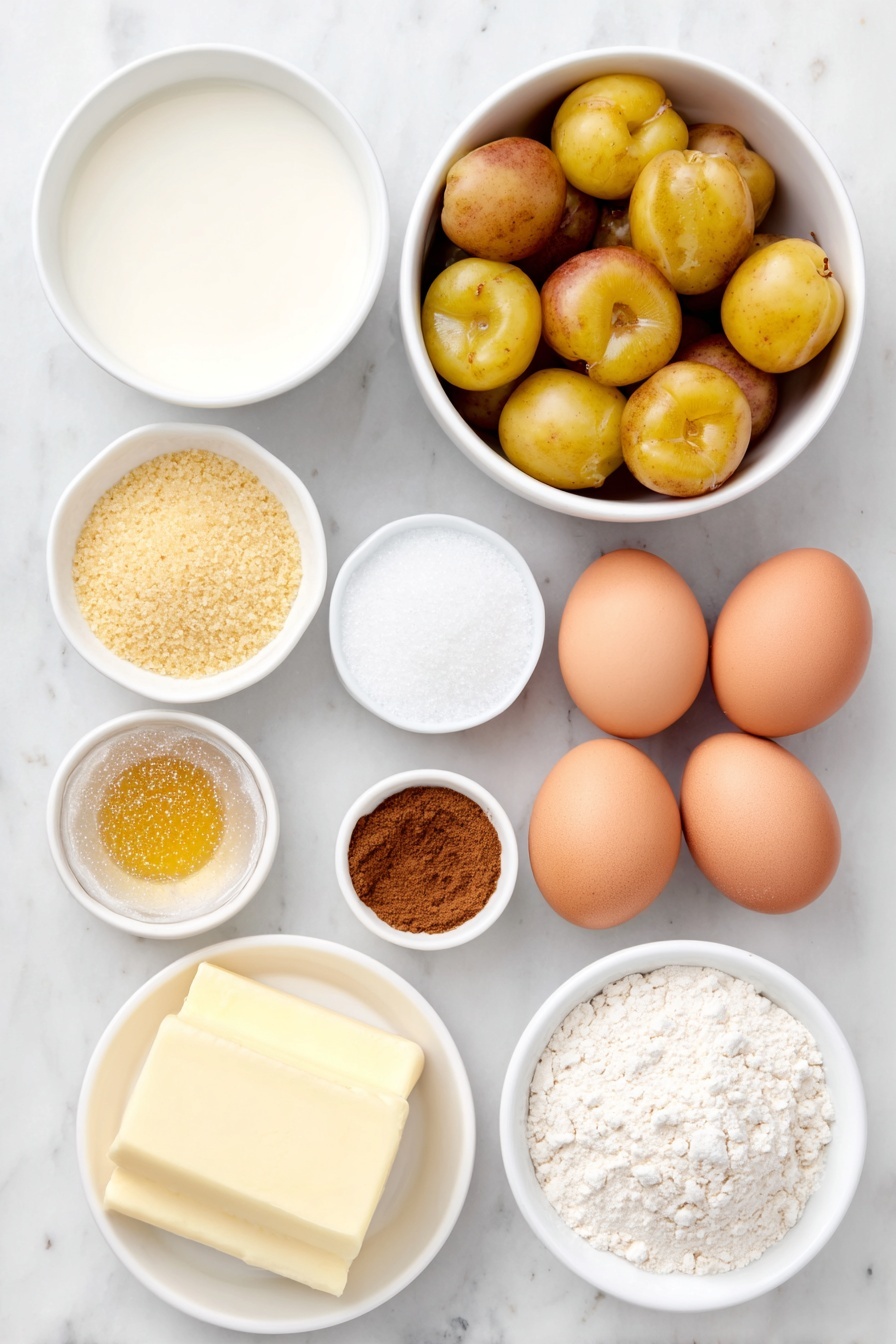
- Italian plums: Look for plums that are ripe but still firm to hold their shape on the yeast crust.
- Warm milk: This activates the yeast gently—avoid too hot or cold to keep yeast happy.
- Dry active yeast: The magic behind the soft crust; fresh packets from a reliable brand work best.
- All-purpose flour: Use good quality flour for a tender dough and crumbly streusel topping.
- Sugar: Adds subtle sweetness to both the dough and the streusel topping.
- Salt: Just a pinch — essential to balance flavors and help with yeast activity.
- Butter (melted and room temp): Divided between the dough and streusel to add richness and flakiness.
- Eggs: Adds structure and moisture to the dough.
- Vanilla extract: Enhances the flavor, making the cake smell like a dream.
- Cinnamon: Paired with sugar in the streusel for a warm, cozy touch.
Variations
I love to play around with this German Plum Cake with Yeast Crust Recipe depending on the season or what’s in the pantry. It’s super versatile, so don’t hesitate to adapt it to your taste or dietary needs.
- Fruit Variations: I’ve swapped plums for fresh apricots or even sour cherries when plums aren’t in season; it still tastes fantastic!
- Gluten-Free: Though I haven’t tried it myself, you can attempt a mix of gluten-free flours and add xanthan gum for structure.
- Less Sugar: If you prefer a less sweet dessert, reduce sugar slightly in the dough and streusel, but keep the balance so the yeast activates properly.
- Nutty Streusel: Add chopped walnuts or almonds to the streusel topping for some crunch and extra flavor.
How to Make German Plum Cake with Yeast Crust Recipe
Step 1: Activate the Yeast and Prepare the Dough
Start by dissolving your dry active yeast in about ¾ cup of warm milk—make sure it’s pleasantly warm, not hot, or you’ll kill the yeast! Let it rest for 5 to 10 minutes until you see that foamy froth on top. This tells you the yeast is alive and kicking. Meanwhile, in your stand mixer bowl, combine the flour, sugar, and salt. Pour in the frothy yeast mixture, melted butter (cool but still liquid), eggs, and vanilla extract. Give it a quick stir to get things moving before attaching your dough hook.
Switch your mixer to the bread setting (“2” on most machines) and knead for 4 to 5 minutes. Add the remaining ¼ cup milk gradually if the dough seems too stiff. Your dough will be sticky—it’s more like a thick batter than a firm ball, and that’s how it should be. Cover loosely with plastic wrap and set it somewhere warm and draft-free to rise for about an hour, or until it’s nearly doubled in size.
Step 2: Butter the Pan and Shape the Dough
I always use a German Backblech or a large jelly roll pan (think at least 18 inches long with 1-inch sides) so the cake bakes with that classic rectangular shape and thin crust. Generously butter the pan—don’t be shy here, it helps prevent sticking and adds flavor. Place the risen dough in the pan and use your hands to gently stretch it out along the entire surface and press it up against the edges. It will resist slightly because of the yeast, but don’t stress—keep pushing it gently, and the plums will help hold it in place.
Step 3: Arrange the Plums and Let It Rise Again
Take your quartered, pitted plums and lay them close together in neat rows over the dough. Here’s a little trick I learned: if you want it a tiny bit sweeter, sprinkle a light dusting of sugar or cinnamon-sugar over the plums, but don’t overdo it. Too much sugar makes the cake watery because the fruit releases more liquid, and the streusel topping can sink and melt into it. After arranging the plums, cover the pan again and let the cake rise in a warm spot for up to another hour.
Step 4: Make and Add the Streusel Topping
While the cake is rising, mix the streusel ingredients in a bowl: flour, sugar, cinnamon, and room-temperature butter. I actually like to use my fingers to rub everything together until it forms rough crumbs and little clusters. This gives you that perfectly crumbly texture. Once your cake has risen the second time, sprinkle the streusel generously over the top.
Step 5: Bake Until Golden and Delicious
Preheat your oven to 350°F (175°C). Bake the cake on the middle rack for about 30 to 35 minutes until the streusel is golden and the cake feels set. A little tip I always give guests: let the cake rest for 10 minutes before slicing. This helps the juices from the plums set so your slices aren’t too runny but still wonderfully moist. Then, cut into squares and enjoy a slice of German bakery magic at home!
Pro Tips for Making German Plum Cake with Yeast Crust Recipe
- Perfect Milk Temperature: Use a kitchen thermometer or test warm milk on your wrist – it should feel comfortably warm but not hot to avoid killing the yeast.
- Don’t Overload with Sugar: I learned that less is more—too much sugar on top releases excess liquid, making your cake soggy.
- Gentle Dough Handling: The dough is sticky, so be patient and use well-buttered hands or a spatula to press it into the pan.
- Let it Rest Before Cutting: Mistake I made once—cutting right out of the oven causes juicy messes. Waiting 10 minutes lets things set beautifully.
How to Serve German Plum Cake with Yeast Crust Recipe
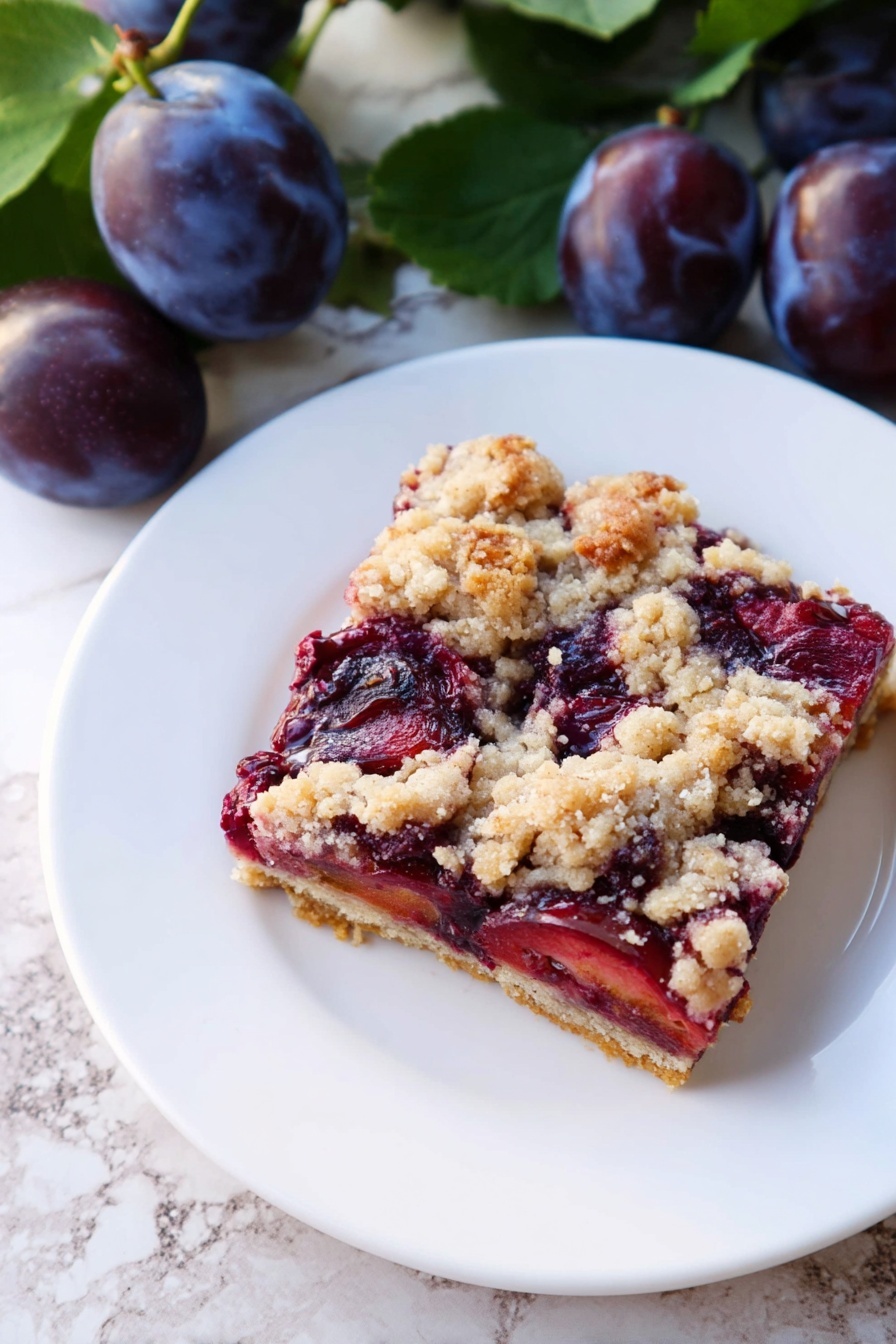
Garnishes
I keep it simple here—just a light dusting of powdered sugar right before serving adds a lovely touch without overpowering the flavors. Sometimes, a dollop of freshly whipped cream or a scoop of vanilla ice cream takes the cake to another level, especially on cooler days.
Side Dishes
This plum cake goes great with a cup of good coffee or a nice black tea, making it perfect for afternoon fika or dessert after dinner. If you’re serving at brunch, a simple vanilla yogurt or fresh fruit salad complements it really nicely without being too heavy.
Creative Ways to Present
For special occasions, I’ve served this cake layered on a pretty platter with edible flowers scattered around for a rustic look. You can also cut smaller bite-sized squares and serve on a tiered tray for a charming party spread that everyone can easily grab.
Make Ahead and Storage
Storing Leftovers
Leftover German Plum Cake with Yeast Crust keeps well for a couple of days at room temperature when wrapped tightly in plastic wrap or stored in an airtight container. The crust stays tender without drying out, which is always a win in my book.
Freezing
If you want to freeze it, slice the cake first and wrap individual squares in plastic wrap and foil. This makes it easy to thaw a piece at a time. I’ve had great success freezing it for up to two months without losing that lovely texture.
Reheating
To reheat, I pop a slice in a preheated oven at 300°F (150°C) for about 10 minutes to warm through and refresh that crumbly streusel. Avoid microwaving if you want to keep the topping crisp.
FAQs
-
Can I use other types of plums for this German Plum Cake with Yeast Crust Recipe?
Absolutely! While Italian plums are ideal for their balance of sweetness and firmness, you can substitute with European or damson plums. Just make sure they’re not overly ripe to avoid a soggy crust.
-
What if I don’t have a stand mixer—can I make this dough by hand?
Yes, you can! Mix the ingredients in a large bowl and knead by hand on a lightly floured surface for about 8-10 minutes until the dough is sticky but elastic. It’s a bit more work, but definitely doable.
-
Why is the dough sticky and more like a thick batter?
That sticky consistency means the dough has enough moisture to stay tender once baked. Unlike firm bread doughs, this yeast dough is meant to be softer and a bit wetter to give that lovely texture typical of German plum cake.
-
Can I prepare the dough the night before?
Yes! After the first rise, cover the dough tightly and refrigerate overnight. Let it come to room temperature before shaping and adding the plums the next day.
-
What’s the best way to store leftover plum cake?
Store leftovers in an airtight container or wrapped well at room temperature for up to two days. For longer storage, freeze individual slices wrapped tightly.
Final Thoughts
This German Plum Cake with Yeast Crust Recipe holds a special place in my heart because it brings friends and family together around the table with its nostalgic, comforting flavors. Once you try it, you’ll see how the simple yeast dough makes all the difference in texture, and paired with those juicy plums and buttery streusel, it’s a guaranteed crowd-pleaser. I can’t wait for you to bake it and share moments with people you love – it’s honestly one of those recipes you’ll want to keep revisiting season after season.
Print
German Plum Cake with Yeast Crust Recipe
- Prep Time: 120 minutes
- Cook Time: 30 minutes
- Total Time: 150 minutes
- Yield: 12 servings
- Category: Dessert
- Method: Baking
- Cuisine: German
Description
German Plum Cake, or Zwetschgenkuchen, is a traditional southern German dessert featuring a soft yeast dough base topped with fresh Italian plums and a buttery cinnamon streusel. This cake is known for its perfect balance of fruity sweetness and crumbly topping, baked to golden perfection. Ideal for gatherings or a cozy treat, this recipe yields a moist and flavorful cake that showcases the classic flavors of Swabia.
Ingredients
Dough
- 3+ pounds Italian plums, cut into quarters, pits removed
- 1 cup warm milk (start with 3/4 cup and add extra as needed)
- 1 1/2 tablespoons dry active yeast
- 4 cups all-purpose flour
- 3/4 cup sugar
- 1/2 teaspoon salt
- 1 stick butter (1/2 cup melted but not hot)
- 2 eggs
- 1 teaspoon quality pure vanilla extract
Streusel
- 1 cup all-purpose flour
- 1 cup sugar
- 1 teaspoon ground cinnamon
- 1/2 cup butter, at room temperature
Instructions
- Activate yeast: Dissolve the yeast into 3/4 cup warm milk and let it sit for 5-10 minutes until frothy, indicating the yeast is active.
- Prepare dough: In a stand mixer bowl, combine flour, sugar, and salt. Pour in the yeast mixture, melted warm butter, eggs, and vanilla extract. Stir initially to combine, then knead using the dough hook on bread setting for 4-5 minutes, gradually adding the remaining 1/4 cup milk as needed to form a sticky but cohesive thick batter-like dough.
- First rise: Cover the dough loosely with plastic wrap and place it in a warm, draft-free spot for about an hour or until it doubles in size.
- Prepare pan and spread dough: Generously butter a large German Backblech or an extended jelly roll pan (at least 18 inches long with 1-inch sides). Use your hands to spread the dough evenly across the pan, pressing it against the sides despite its resistance. The plums added next will help keep the dough in place.
- Arrange plums: Lay the plum quarters close together in rows all over the dough surface. If desired, lightly sprinkle with sugar or cinnamon-sugar for extra sweetness, but sparingly to prevent excess moisture.
- Second rise: Set the pan in a warm place again and let the assembled cake rise for up to another hour to develop more flavor and lightness.
- Make streusel: In a medium bowl, combine flour, sugar, cinnamon, and room temperature butter using your fingers. Mix until the mixture forms a rough, crumbly texture resembling coarse sand.
- Top with streusel and bake: Sprinkle the streusel evenly over the plum-topped dough. Bake on the middle rack of a preheated oven at 350°F (175°C) for 30-35 minutes, or until the top is golden brown and set.
- Cool and serve: Allow the cake to cool for at least 10 minutes before slicing to let the juices set and avoid sogginess. Cut into squares and serve warm or at room temperature.
Notes
- This recipe hails from the Swabian region of southern Germany, renowned for its delicious yeast-based cakes called Zwetschgenkuchen.
- Lightly sprinkling sugar on the plums is optional but be cautious to avoid making the cake too watery by using too much sugar.
- The dough is sticky and batter-like; do not expect a firm ball as with other bread doughs.
- Allowing the cake to rest before slicing helps with cleaner cuts and better texture.
Nutrition
- Serving Size: 1 serving
- Calories: 391 kcal
- Sugar: 30 g
- Sodium: 177 mg
- Fat: 9 g
- Saturated Fat: 5 g
- Unsaturated Fat: 4 g
- Trans Fat: 0 g
- Carbohydrates: 71 g
- Fiber: 1 g
- Protein: 6 g
- Cholesterol: 47 mg