If you’ve ever dreamed of biscuits so light and airy they almost float off your plate, then I can’t wait to share this beautiful Fluffy Angel Biscuits with Buttermilk and Yeast Recipe with you. These aren’t your everyday biscuits—they’ve got a heavenly crumb texture that comes from a smart mix of yeast, baking powder, and baking soda, plus the tang of buttermilk. When I first tried this recipe, I was blown away by how tender and fluffy they turned out, and I promise, if you follow along, you’ll be just as impressed (and maybe a bit addicted) too!
Why You’ll Love This Recipe
- Unbeatable Fluffiness: Thanks to the combo of yeast, baking powder, and baking soda, these biscuits are incredibly light and airy, unlike your typical buttery biscuit.
- Buttermilk Magic: The tangy buttermilk not only adds flavor but also reacts with the leaveners for a perfect rise every time.
- Simple Ingredients, Big Impact: You probably already have everything you need in your pantry to whip these up without any fuss.
- Great for Any Occasion: Whether it’s breakfast, brunch, or a comforting dinner side, these biscuits will elevate your meal effortlessly.

Ingredients You’ll Need
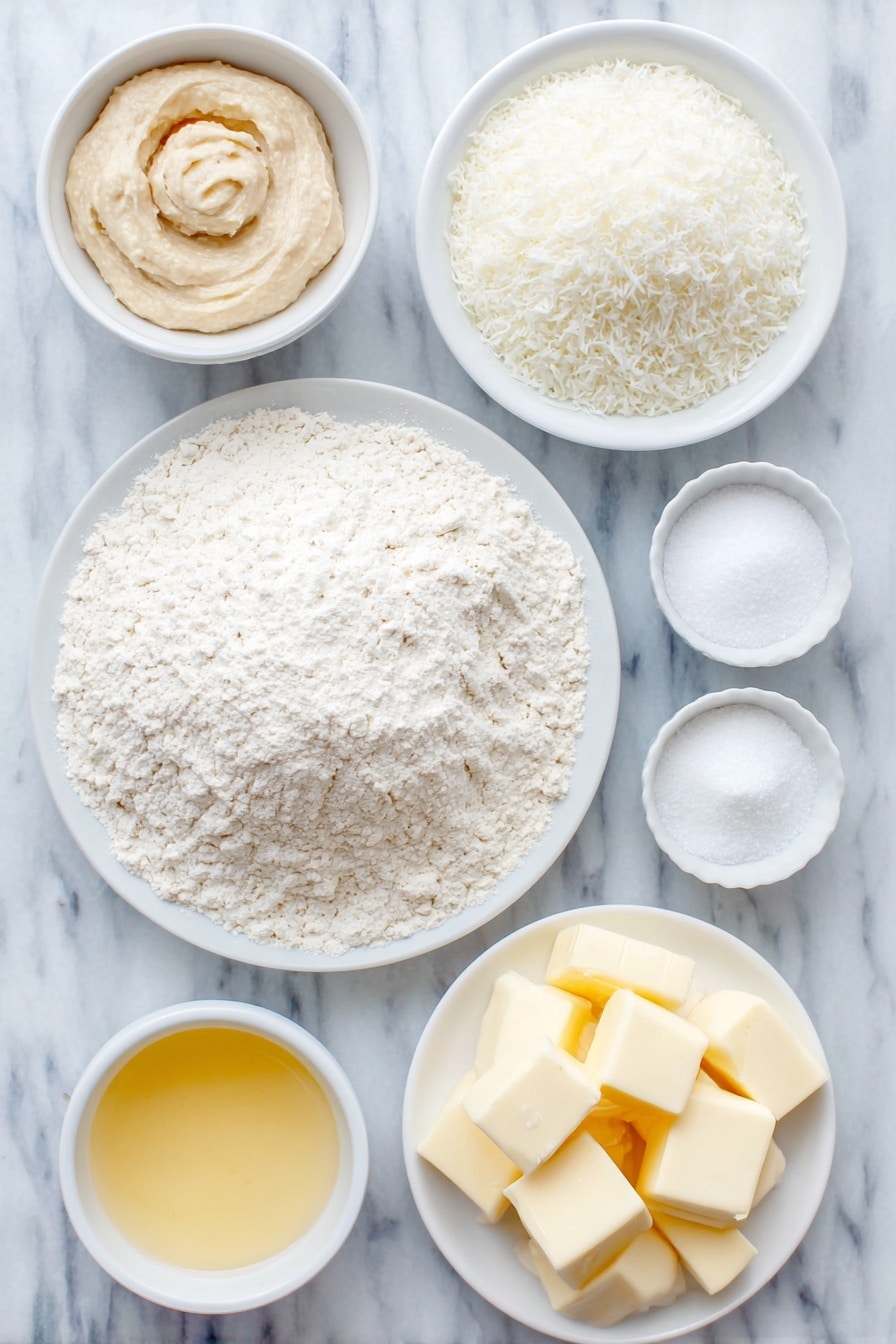
This recipe brings together pantry staples that create the perfect dance of texture and flavor. The cold butter and shortening give flakiness, the yeast contributes a subtle depth and lift, and buttermilk provides moisture and that slight tang we all love.
- Active yeast: Make sure your yeast is fresh and active; I usually check by letting it bloom in warm water first.
- Warm water: The water temperature should be just right — about 110 to 115°F — to wake up the yeast without killing it.
- All-purpose flour: The base of your biscuit dough, and key for structure.
- White sugar: Adds a touch of subtle sweetness balancing the tang of the buttermilk.
- Kosher salt: Enhances the flavor of all the ingredients.
- Baking powder: Works with baking soda and yeast to guarantee that sky-high rise.
- Baking soda: Reacts with buttermilk’s acidity for extra lift and tenderness.
- Cold butter: Use cold to keep those flaky layers—this is key to the biscuit’s texture.
- Cold shortening: Helps maintain a soft crumb and moist finish alongside the butter.
- Buttermilk: I always grab fresh buttermilk—its acidity is what really makes these biscuits special.
- Extra flour: For dusting surfaces — less is more to keep biscuits tender.
- Melted butter: For brushing over the tops before and after baking, adding that golden, buttery finish.
Variations
I love how flexible this Fluffy Angel Biscuits with Buttermilk and Yeast Recipe is—there’s room to play around with flavors and make it your own. Here are a few tweaks I’ve tried that you might enjoy.
- Cheese Addition: Adding sharp cheddar or Parmesan to the dough gave the biscuits a savory twist my whole family devoured instantly.
- Herbs & Spices: I like folding in fresh rosemary or thyme for a fragrant upgrade, especially when serving with soups or stews.
- Gluten-Free Version: I experimented with a gluten-free flour blend—just be mindful to handle the dough gently as it’s more delicate.
- Sweeter Biscuits: For a breakfast treat, stirring in a bit of cinnamon and a handful of raisins adds warmth and sweetness.
How to Make Fluffy Angel Biscuits with Buttermilk and Yeast Recipe
Step 1: Activate Your Yeast
Start by stirring your yeast into warm water to dissolve it into a thick paste—that’s the secret to a light, airy rise. If it doesn’t look a little foamy or thick after 5-10 minutes, your yeast might need to be replaced. This step always sets me up for biscuit success, so don’t skip or rush it!
Step 2: Mix Dry Ingredients and Cut in the Fats
Whisk together the flour, sugar, salt, baking powder, and baking soda in a large bowl. Then chop your cold butter and shortening into pea-sized chunks and sprinkle them over the flour. Using your fingers, smash the fat into the dry mix until the pieces are flattened but still visible—these pockets of fat are what create that flaky, melt-in-your-mouth texture.
Step 3: Combine Yeast Paste and Buttermilk, Then Mix Dough
Stir the yeast paste into your buttermilk—you might notice it doesn’t fully dissolve, and that’s totally fine! Pour this mix into the biscuit dough and stir with a spatula until everything starts coming together. Then gently knead the dough a few times in the bowl to incorporate the last dry bits without overworking it.
Step 4: Fold the Dough for Layers
On a floured surface, pat the dough roughly into a 1-inch thick rectangle. Fold it in half, rotate 90 degrees, and pat again. Repeat this folding and patting process two more times to create layers—a gentle touch here keeps the biscuits tender, so be careful not to press too hard or overwork the dough.
Step 5: Cut and Arrange Biscuits for Rising
Flour a 2-inch round cutter and press straight down—don’t twist, or you’ll seal the edges and stop your biscuits from rising beautifully. Arrange them snugly but not squished in a buttered cast iron skillet. Cover and let them rise for a full hour—this resting step makes all the difference in fluffiness.
Step 6: Bake to Golden Perfection
Right before baking, brush the tops with melted butter for a gorgeous golden crust. Bake at 400°F for 16-18 minutes until the biscuit tops are golden brown and irresistible. Once out of the oven, let them rest 10 minutes in the pan—trust me, patience pays off here to avoid crumbling or breaking.
Pro Tips for Making Fluffy Angel Biscuits with Buttermilk and Yeast Recipe
- Check Yeast Freshness: I once used expired yeast, and the biscuits barely rose—always proof your yeast in warm water first.
- Don’t Over-knead: Just a few folds to bring the dough together prevents tough biscuits—handle the dough gently!
- Use Cold Fats: Keeping butter and shortening cold ensures those flaky layers—warm fats melt too quickly and can ruin texture.
- No Twisting When Cutting: Press the biscuit cutter straight down to avoid sealing edges and allow maximum rise.
How to Serve Fluffy Angel Biscuits with Buttermilk and Yeast Recipe
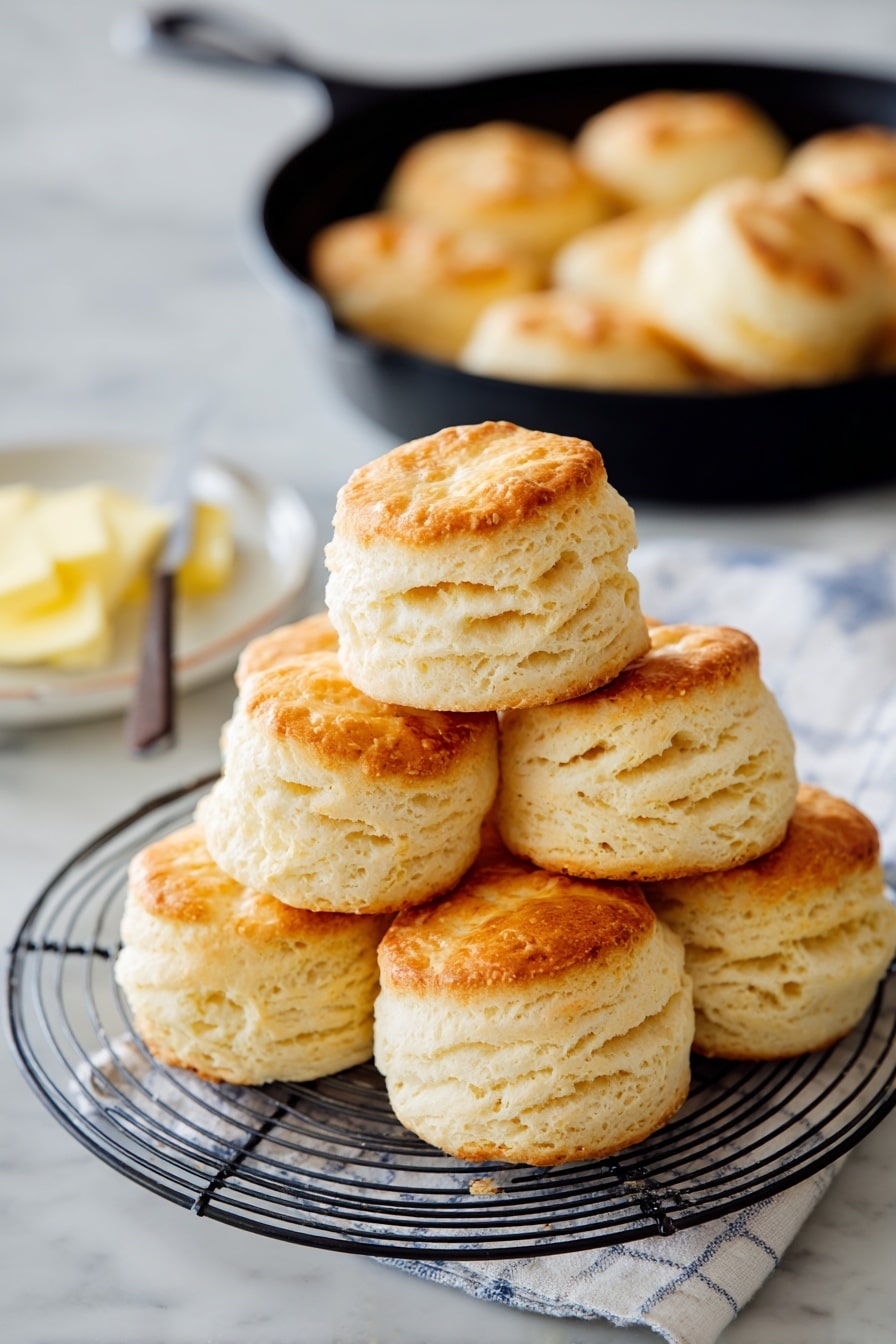
Garnishes
For me, nothing beats a simple brush of extra melted butter right out of the oven. Sometimes I add a drizzle of honey or a pat of cinnamon butter for breakfast. When I’m feeling fancy, a sprinkle of flaky sea salt on top gives that extra pop of flavor.
Side Dishes
These biscuits are perfect alongside scrambled eggs or a big pot of chicken and gravy. My family also loves serving them with a bowl of chili or creamy soup. They soak up sauces beautifully without falling apart.
Creative Ways to Present
When hosting weekend brunch, I stack these fluffy biscuits with layers of ham, cheese, and a fried egg to make the most epic biscuit sandwich. For holidays, I like arranging them in a wreath shape on the skillet, brushing with herb butter for a festive touch.
Make Ahead and Storage
Storing Leftovers
I store leftover biscuits wrapped tightly in a clean tea towel inside an airtight container at room temperature, and they stay fresh for up to two days. Reheating them gently in the oven brings back that fresh-baked vibe nicely.
Freezing
These biscuits freeze beautifully! I freeze unbaked dough rounds on a baking sheet first, then transfer them to a bag. When ready, just thaw, let rise fully, and bake as usual for fresh-from-the-oven biscuits anytime.
Reheating
To reheat, I pop the biscuits in a 350°F oven for 5-7 minutes, covered with foil to keep them moist. You’ll get that perfect warm, fluffy texture again—no microwave needed!
FAQs
-
Can I make Fluffy Angel Biscuits with Buttermilk and Yeast Recipe without yeast?
You could try omitting the yeast, but you’ll lose the unique airy texture that comes from its fermentation action. The combination of yeast with baking powder and baking soda is what really makes these biscuits “angelic.” If you skip the yeast, they’ll be more like traditional quick biscuits.
-
Why do the biscuits need to rise for an hour?
The hour-long rise allows the yeast to activate and develop air pockets within the dough, giving you those tender, fluffy layers. It also deepens the flavor subtly. Skipping or shortening this step can lead to denser biscuits.
-
What’s the difference between using shortening and butter?
Butter adds rich flavor and a flaky texture, while shortening contributes softness and moisture without melting as fast. Using both balances tenderness and flavor, resulting in the perfect biscuit crumb.
-
Can I use milk instead of buttermilk?
If you don’t have buttermilk, you can make a substitute by adding 1 tablespoon of lemon juice or white vinegar to 1 cup of milk, then letting it sit 5-10 minutes. This acidity interacts with the baking soda to give tenderness and rise, but true buttermilk always delivers the best flavor.
Final Thoughts
This Fluffy Angel Biscuits with Buttermilk and Yeast Recipe has genuinely become one of my kitchen go-tos when I want something special but approachable. The texture is so tender and light, every bite is a little celebration. I honestly enjoy making these with friends or family because the process is fun and the result brings everyone together around the table. So go ahead, give this recipe a try—you’ll impress yourself and anyone lucky enough to share these biscuits. I’m excited to hear what you think!
Print
Fluffy Angel Biscuits with Buttermilk and Yeast Recipe
- Prep Time: 20 minutes
- Cook Time: 16 minutes
- Total Time: 96 minutes
- Yield: 20 biscuits
- Category: Biscuit
- Method: Baking
- Cuisine: American
Description
Angel Biscuits are a heavenly blend of yeast, baking powder, and baking soda that creates the lightest, fluffiest biscuits with a golden crust. Perfectly buttery and tender, these biscuits are ideal for breakfast or any time you crave a flaky, flavorful bread accompaniment.
Ingredients
Yeast Mixture
- 4 1/2 teaspoons (2 packages or 14 g) active yeast
- 3 tablespoons warm water (110 to 115°F)
Dry Ingredients
- 5 cups (700 g) all-purpose flour
- 1/4 cup (50 g) white sugar
- 1 1/2 teaspoons kosher salt
- 2 teaspoons baking powder
- 1 teaspoon baking soda
Fats
- 1/2 cup (115 g) butter, cold
- 1/2 cup (95 g) shortening, cold
- 3 tablespoons melted butter (for brushing)
Liquids
- 2 cups buttermilk
Others
- Extra flour for forming and cutting biscuits
Instructions
- Activate Yeast: Place the yeast and warm water in a small bowl and stir to dissolve until a thick paste forms.
- Combine Dry Ingredients: In a large bowl, whisk together the flour, sugar, kosher salt, baking powder, and baking soda using a balloon whisk.
- Incorporate Fats: Cut the cold butter and shortening into 1/2-inch chunks and sprinkle over the dry ingredients. Use your fingers to smash and break them down until flattened to roughly pea-sized pieces.
- Mix Wet Ingredients: Stir the yeast paste into the buttermilk to loosen it, then add this mixture to the dry ingredients. Stir with a large spatula until a rough dough forms. Knead the dough a few times with your hands to fully incorporate any dry bits.
- Fold the Dough: Lightly flour a clean surface. Turn the dough out and pat it into a 1-inch thick rectangle. Fold it in half, rotate 90 degrees, pat again to 1-inch thick, and repeat this folding and patting two more times, lightly flouring the surface as needed. Finish with a 1-inch thick pat.
- Cut Biscuits: Flour a 2-inch round biscuit cutter and press straight down without twisting to cut biscuit rounds from the dough. Gather scraps and cut additional biscuits until all dough is used.
- Prepare for Rising: Brush a 12-inch cast iron skillet with some melted butter. Arrange biscuits so they touch slightly. Use another pan for any extra biscuits. Cover with plastic wrap and let rise at room temperature for 1 hour.
- Preheat Oven: About 15 minutes before rising completes, preheat oven to 400°F (204°C).
- Brush and Bake: After rising, brush the remaining melted butter over tops of biscuits. Bake in preheated oven for 16 to 18 minutes until golden brown.
- Cool and Serve: Let biscuits cool in the pan for 10 minutes before transferring to a rack. Serve warm with butter, honey, or jam.
Notes
- Angel biscuits achieve a light, fluffy texture through the combination of yeast, baking powder, and baking soda.
- Handle the dough gently during folding to preserve its airy structure.
- Do not twist the biscuit cutter when cutting to maintain biscuit rise and shape.
- Butter and shortening should be cold for best texture.
- Use a well-seasoned cast iron skillet for even baking and a beautiful crust.
- Letting the dough rise for a full hour is key to developing the light texture.
Nutrition
- Serving Size: 1 biscuit
- Calories: 253 kcal
- Sugar: 4 g
- Sodium: 304 mg
- Fat: 12 g
- Saturated Fat: 6 g
- Unsaturated Fat: 0 g
- Trans Fat: 0 g
- Carbohydrates: 32 g
- Fiber: 1 g
- Protein: 5 g
- Cholesterol: 21 mg