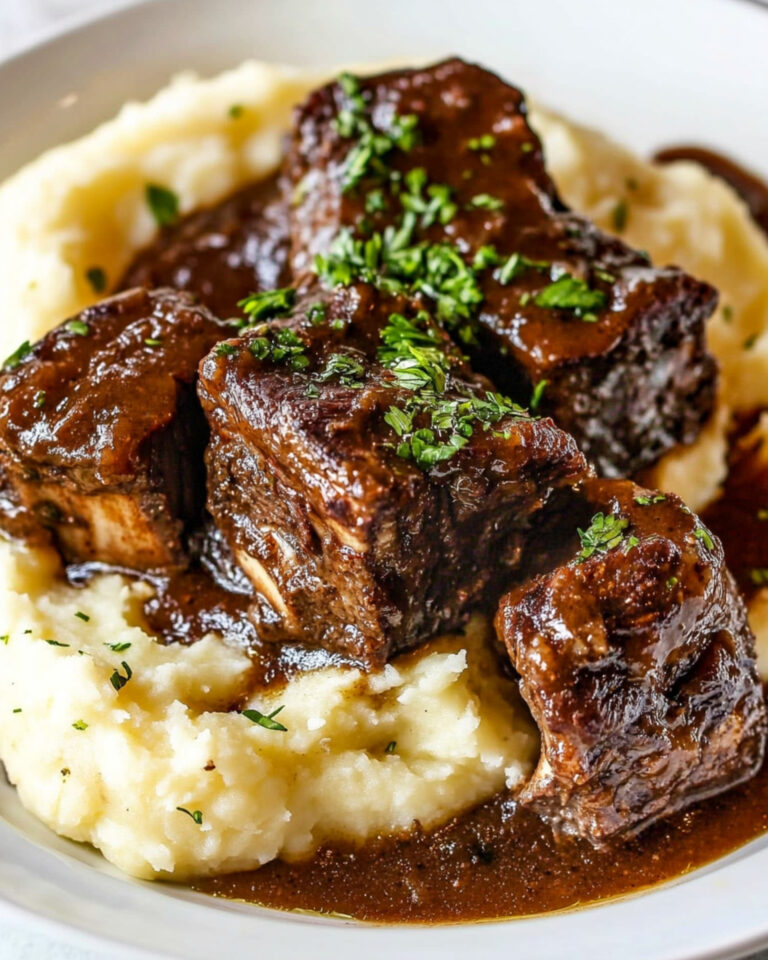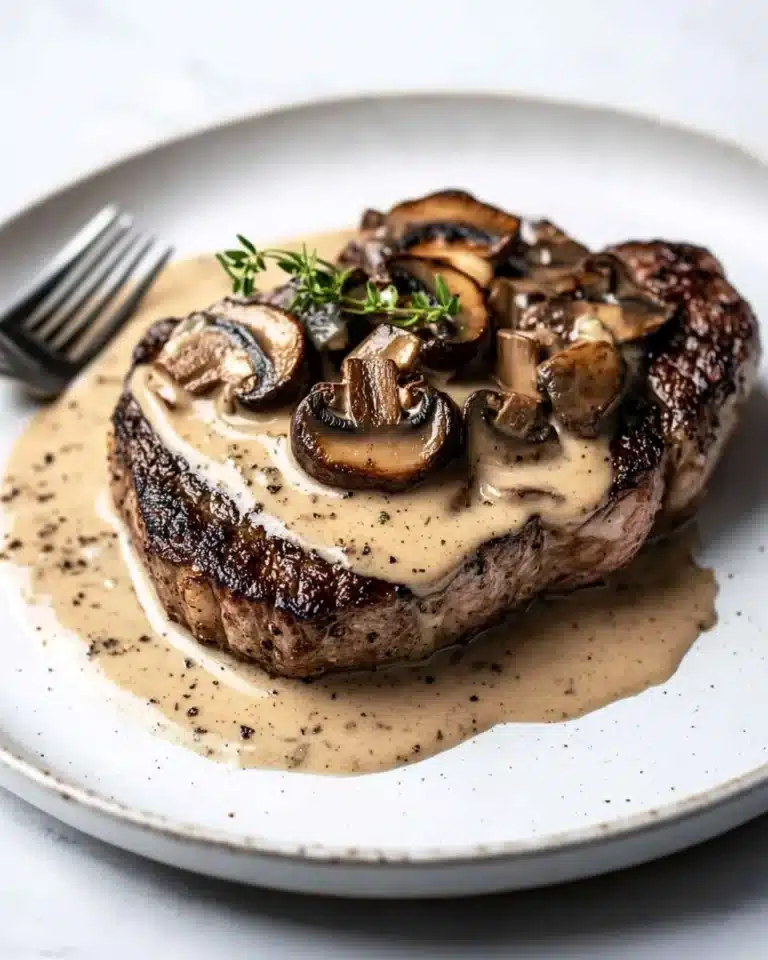


If you’re craving a dinner that’s truly elegant yet surprisingly approachable, then this Beef Tenderloin with Red Wine Sauce Recipe might just become your new go-to. I absolutely love how this dish turns out—tender, juicy beef paired with a silky, flavorful red wine sauce that ties everything together beautifully. Whether you’re cooking for a special occasion or just want to treat yourself and your loved ones, you’re going to want to stick around for this one.
Why You’ll Love This Recipe
- Perfectly Tender Beef: The beef tenderloin roasts to a juicy, melt-in-your-mouth texture every single time.
- Rich Red Wine Sauce: The sauce is a show-stopper that elevates the entire dish with deep, savory flavors.
- Simple Ingredients, Gourmet Results: With pantry staples plus fresh herbs, you’ll impress without stress.
- Make-Ahead Friendly: Prep the sauce ahead of time to reduce your stress on the day of your meal.

Ingredients You’ll Need
This Beef Tenderloin with Red Wine Sauce Recipe depends on fresh herbs and quality basics working in harmony, which is why selecting good beef and fresh thyme and rosemary really makes a difference. Planning to pick up your tenderloin from a trusted butcher will definitely elevate the final taste.

- Unsalted butter: Dividing it helps build layers of flavor from the sear to the sauce’s richness.
- Shallots: Their mild onion flavor adds a subtle sweetness to the sauce.
- Red wine: This is the backbone of the sauce, so pick a bottle you’d enjoy sipping—it really shines through.
- Beef broth: Using part for the sauce gives balanced depth without overpowering.
- Fresh thyme: Adds fragrant herbal notes that complement the beef perfectly.
- Kosher salt and black pepper: Essential for seasoning that enhances natural beef flavors.
- Beef tenderloin: Look for a center-cut, nicely trimmed piece for even cooking and tenderness.
- Olive oil (or canola): For a high-heat sear that locks in juices.
- Fresh rosemary: Gives an aromatic punch that pairs beautifully with garlic and beef.
- Garlic: Minced finely to infuse the oil and beef with savory warmth.
- Finishing salt: Like Maldon or sea salt adds texture and an extra pop of flavor at the end (optional but recommended!).
Variations
One of the things I love about this recipe is how flexible it is. You can easily tweak the herbs or even the type of wine to suit your taste or what you have on hand. Don’t be afraid to make this recipe your own!
- Herb swaps: I’ve swapped rosemary for sage or tarragon in a pinch—both bring unique flavors that my family really enjoys.
- Wine variations: While I usually use a dry Cabernet Sauvignon, sometimes I go for a Merlot for a slightly fruitier sauce.
- Diet-friendly: For a lower-sodium version, reduce the beef broth and salt, then taste as you go.
- Cooking method: If you prefer, a sous vide approach gives amazingly even doneness, though I love the traditional roast for that crusty exterior.
How to Make Beef Tenderloin with Red Wine Sauce Recipe
Step 1: Prep and Tie the Tenderloin
First things first: If your beef tenderloin isn’t already tied, you’ll want to fold the ends over and secure them snugly with kitchen twine. This helps the meat cook evenly and keeps it looking beautiful when sliced. Season the whole tenderloin liberally with kosher salt and black pepper. Don’t rush this step — seasoning is your flavor foundation here.
Step 2: Sear the Beef to Lock in Juices
Heat half the olive oil with 3 tablespoons of butter in a heavy skillet over medium-high heat. Once it’s shimmering, carefully add the beef tenderloin and sear all sides until it’s a gorgeous deep brown crust—usually about 3-4 minutes per side. This step takes patience, but it’s essential for flavor. After searing, transfer the beef to a roasting pan and pop it into a preheated oven at 425°F.
Step 3: Roast Until Perfectly Medium-Rare
Roasting times vary by size, but plan on about 25-30 minutes for a 4-pound tenderloin. I always use a meat thermometer to be safe—pull it out when it hits 130°F for that perfect medium-rare finish. Let it rest for at least 15 minutes after roasting so the juices redistribute—this is a game-changer for juicy slices.
Step 4: Build the Red Wine Sauce
While your beef rests, start the sauce. In the same skillet you seared the meat, melt the remaining butter and sauté the chopped shallots just until softened. Pour in the red wine, scraping up the browned bits from the pan—those bits are where all the intense flavor hides. Add fresh thyme, beef broth, and simmer until the sauce reduces by about half and thickens slightly. Season with salt and pepper to taste. Strain if you prefer a super-smooth sauce, or leave it rustic—the choice is yours.
Pro Tips for Making Beef Tenderloin with Red Wine Sauce Recipe
- Tying the Tenderloin: I discovered that tying the ends keeps the roast uniform, which means more consistent cooking.
- Searing Temperature: Make sure your pan is hot enough for a good crust but not smoking—this balance keeps the kitchen manageable and the beef perfect.
- Resting is Essential: Letting the beef rest before slicing is what makes the meat juicy instead of dry.
- Sauce Reduction: Be patient letting the sauce reduce slowly—it thickens naturally and gathers bold flavor without needing extra thickeners.
How to Serve Beef Tenderloin with Red Wine Sauce Recipe
Garnishes
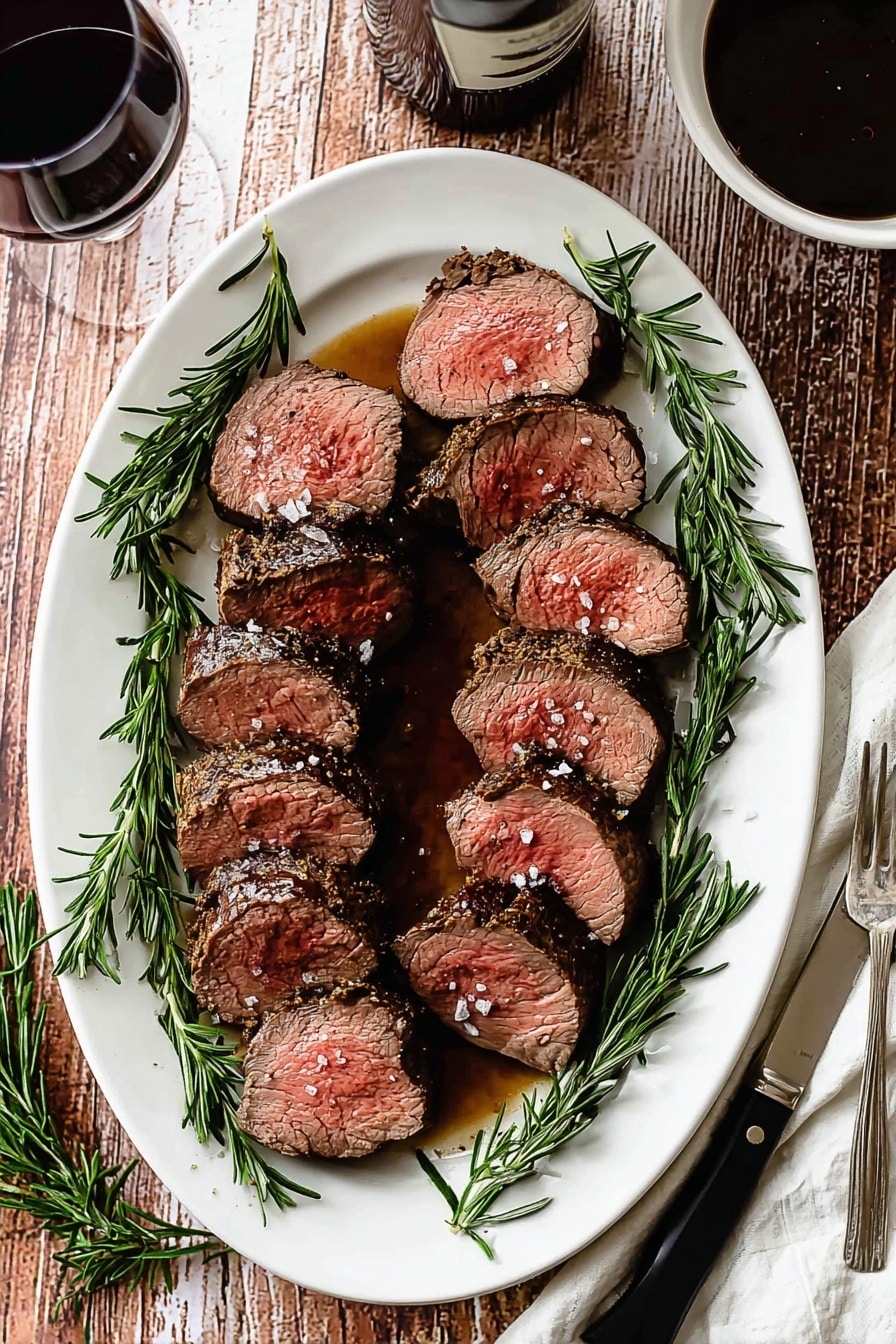
I love finishing this dish with a sprinkle of flaky finishing salt like Maldon—it adds a little crunch and bursts of saltiness to each bite. A few fresh thyme sprigs or chopped rosemary sprinkled on top not only looks pretty but adds a hint of fresh herbal aroma that pulls the whole meal together.
Side Dishes
My go-to sides are garlic mashed potatoes or creamy polenta, both of which soak up that luscious red wine sauce beautifully. Roasted seasonal vegetables like carrots or green beans tossed with olive oil and rosemary provide a nice contrast in texture and color—and bonus, they’re easy to prep ahead too.
Creative Ways to Present
When I want to wow guests, I slice the beef tenderloin into medallions and arrange them fanned out on a warm platter, drizzled generously with red wine sauce. Garnishing with edible flowers or fresh herb bouquets adds that extra touch of elegance that makes special celebrations memorable.
Make Ahead and Storage
Storing Leftovers
I usually let the leftovers cool completely, then wrap them tightly in plastic wrap with an extra layer of foil before refrigerating. This keeps the beef tender and the sauce rich for up to three days. I love having this ready for a second-day meal that feels just as special as the original.
Freezing
Freezing beef tenderloin with red wine sauce isn’t my first choice since the texture can change slightly, but if you need to, flash-freeze the sliced beef and sauce separately in airtight containers. This keeps flavors intact, and thawing overnight in the fridge preserves quality best.
Reheating
To reheat without drying out the beef, gently warm the slices in a covered skillet over low heat with a splash of broth or water. Reheat the sauce separately to preserve its silky texture, then combine right before serving. This little extra care goes a long way in keeping leftovers just as delicious.
FAQs
-
Can I use a different cut of beef for this recipe?
While this recipe is built around beef tenderloin for its tenderness and quick roasting, you can also use a center-cut sirloin roast or ribeye roast, but cooking times and texture will vary. Adjust seasoning and watch internal temperature carefully to avoid overcooking.
-
What type of red wine works best for the sauce?
Dry red wines like Cabernet Sauvignon, Merlot, or Pinot Noir work excellently here. Avoid sweet or overly fruity wines, as they can make the sauce taste unbalanced. If you wouldn’t sip it at dinner, it’s best not to cook with it.
-
How do I know when the beef is done?
The best way is to use a meat thermometer—remove the tenderloin when the internal temp reaches 130°F for medium-rare. It will continue to cook a bit while resting, reaching that perfect doneness.
-
Can I make the red wine sauce ahead of time?
Absolutely! The sauce can be made up to two days in advance and reheated gently on the stove. Making it ahead means less stress on the day you roast the beef.
-
What sides pair well with this beef tenderloin recipe?
Classic sides include mashed potatoes, roasted vegetables, sautéed mushrooms, or creamy polenta. I also love a fresh green salad to balance the richness.
Final Thoughts
I can’t recommend this Beef Tenderloin with Red Wine Sauce Recipe enough if you’re aiming to impress without fuss. It’s elegant but doesn’t require hours or complicated techniques—just good ingredients, some patience, and a bit of love. Every time I make it, friends and family are blown away, and the leftovers are somehow even better! Give it a try—you’ll enjoy the process just as much as the delicious results.
Print
Beef Tenderloin with Red Wine Sauce Recipe
- Prep Time: 15 min
- Cook Time: 28 min
- Total Time: 103 min
- Yield: 8 servings
- Category: Main Course
- Method: Roasting
- Cuisine: American
Description
This Beef Tenderloin with Red Wine Sauce recipe delivers a tender, flavorful roast perfect for special occasions. The beef tenderloin is seared and roasted to perfection, then served with a rich, aromatic red wine and beef broth sauce enhanced with shallots, thyme, garlic, and fresh rosemary. Ideal for serving 8 to 12 guests, this classic dish pairs beautifully with a variety of sides and can be prepared with the sauce made ahead to save time.
Ingredients
Beef Tenderloin
- 1 4 lb beef tenderloin (ends folded over and tied with twine)
- 4 tbsp olive oil or canola oil (divided)
- 4 tbsp fresh rosemary (chopped)
- 4 cloves garlic (finely minced)
- Salt and pepper (to taste)
Red Wine Sauce
- 6 tbsp unsalted butter (divided)
- 2 shallots (chopped)
- 1 1/3 cups red wine
- 2 1/2 cups beef broth (divided)
- 3 sprigs fresh thyme
- 1/2 tsp Kosher salt
- 1/4 tsp black pepper
Finishing
- Finishing salt such as Maldon or coarse sea salt (optional)
Instructions
- Prepare the beef tenderloin: Preheat your oven and pat the beef tenderloin dry. Fold over and tie the ends with twine to ensure even cooking. Season generously with salt and pepper.
- Season the beef: Rub the tenderloin with half of the olive oil, minced garlic, and chopped rosemary, making sure the seasoning is evenly distributed.
- Sear the beef: Heat a large skillet over medium-high heat with the remaining olive oil. Sear the beef on all sides until browned, about 3-4 minutes per side. This locks in the juices and adds flavor.
- Roast the beef: Transfer the seared tenderloin to a roasting pan and roast in the preheated oven for about 25-30 minutes or until an internal temperature of 125°F (for medium-rare) is reached. Remove from the oven and let rest for at least 15 minutes to allow juices to redistribute.
- Make the red wine sauce: While the beef rests, melt 3 tablespoons of butter in the skillet used for searing over medium heat. Add the chopped shallots and cook until softened, about 3 minutes. Pour in the red wine and bring to a simmer, scraping up browned bits from the pan.
- Add broth and thyme: Add 2 cups of beef broth and the fresh thyme sprigs. Simmer the mixture until reduced by half and slightly thickened, around 15-20 minutes. Season with kosher salt and black pepper.
- Finish the sauce: Remove thyme sprigs and whisk in the remaining 3 tablespoons of butter to enrich the sauce and give it a smooth, glossy texture.
- Serve: Slice the rested beef tenderloin and drizzle the red wine sauce over the top. Optionally, finish with a sprinkle of finishing salt like Maldon for added texture and flavor.
Notes
- Beef Tenderloin with Red Wine Sauce is a show-stopper of a roast perfect for entertaining.
- For 4 servings, opt for a 2 to 3 lb tenderloin roast.
- The red wine sauce can be prepared a day or two ahead and reheated gently before serving.
- Leftovers are delicious and can be repurposed into sandwiches or as a main for another meal.
Nutrition
- Serving Size: 1 serving (approx. 6 oz cooked beef with sauce)
- Calories: 187
- Sugar: 1 g
- Sodium: 429 mg
- Fat: 16 g
- Saturated Fat: 7 g
- Unsaturated Fat: 8 g
- Trans Fat: 1 g
- Carbohydrates: 3 g
- Fiber: 1 g
- Protein: 1 g
- Cholesterol: 23 mg